MIRA Optical Space Telescope
Eon Space Labs · MOI-1 Satellite · ISRO PSLV-C62
System Overview
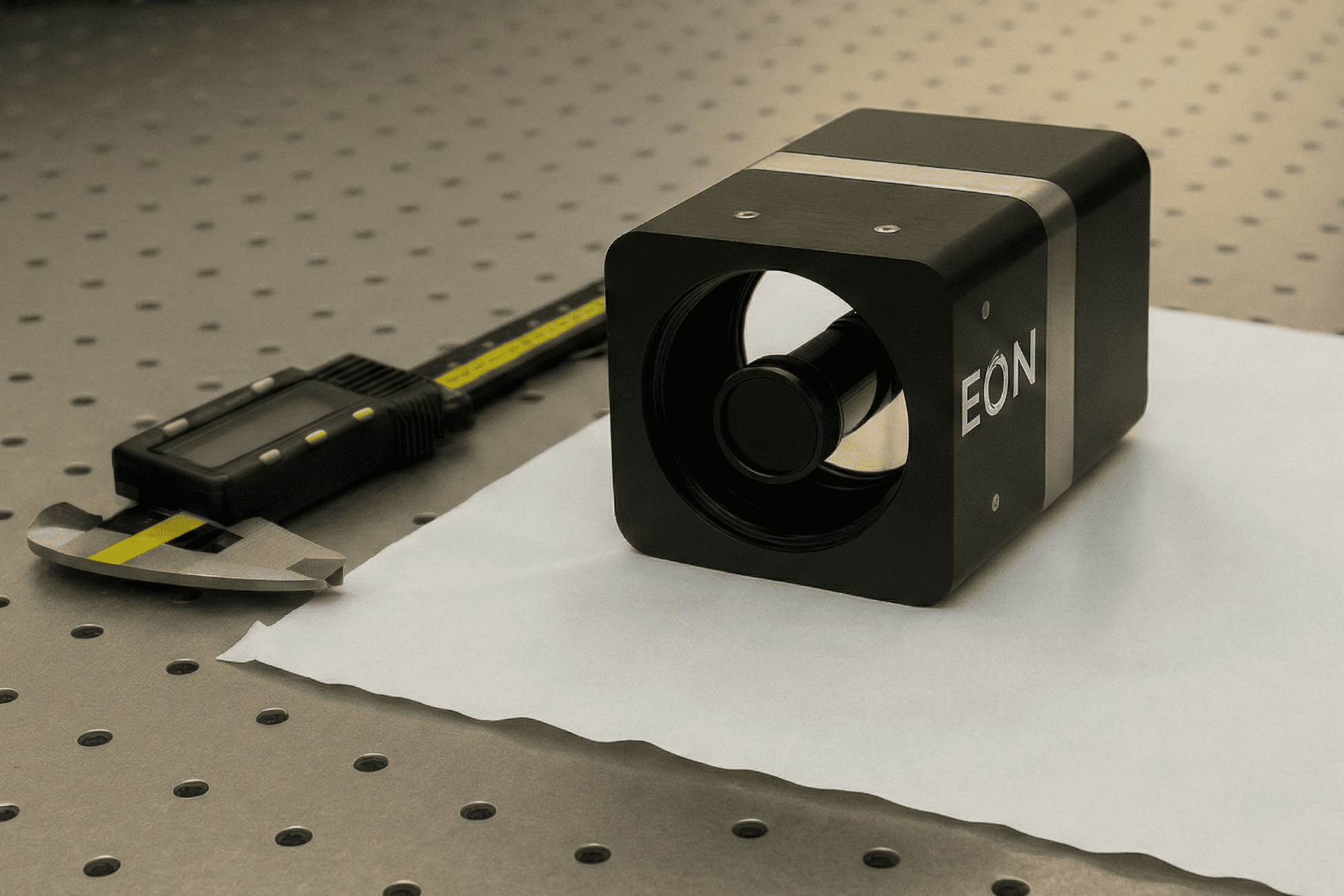
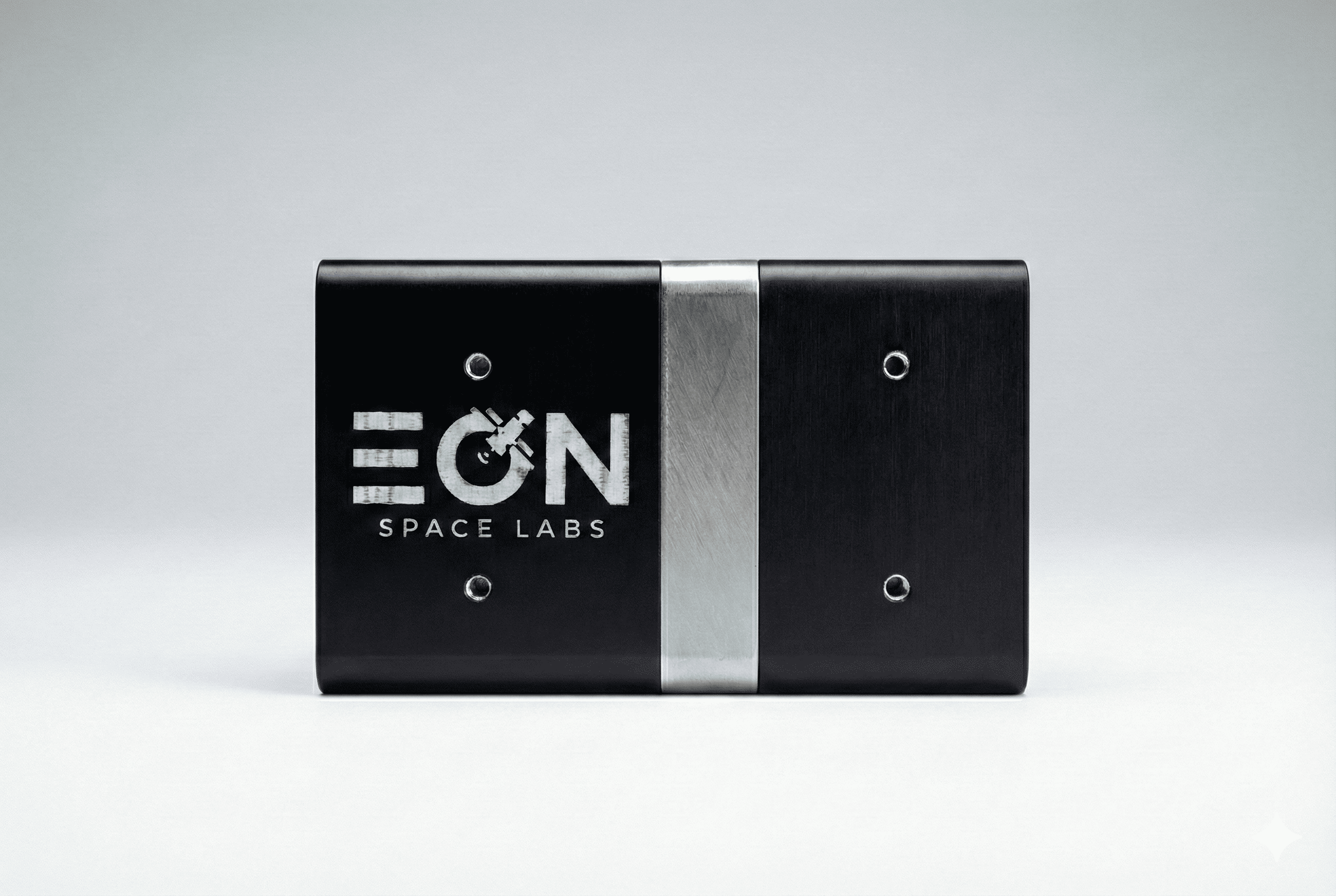
MIRA is a miniaturised optical space telescope developed by Eon Space Labs. The telescope uses a monolithic fused-silica optical architecture designed to maintain alignment under launch vibration, thermal cycling, and the microgravity environment of low Earth orbit. With a total mass of approximately 500 grams, it is among the lightest space telescopes of its type.
The telescope payload was integrated into MOI-1, a ~14 kg CubeSat developed by TakeMe2Space. MOI-1 is an orbital AI compute laboratory designed to process Earth-observation imagery on board. The satellite was manifested on ISRO PSLV-C62 from Sriharikota.
My Role
I served as the lead mechanical systems engineer, responsible for the structural integrity, thermal behaviour, and environmental survivability of the telescope payload from design through flight-model delivery.
- Structural simulation and load-path analysis under launch acceleration profiles
- Thermal simulation for orbital thermal cycling and solar loading
- Random vibration analysis to verify survivability under PSLV qualification spectra
- Optomechanical stability validation to ensure optical alignment under thermal deformation
- Mass optimisation of the telescope structure, achieving a 16% reduction from the baseline design
Engineering Work
The structural and thermal analysis campaign was conducted in ANSYS, covering static structural loading, modal analysis, random vibration response, and steady-state thermal modelling. All simulations were verified against NASA GEVS (General Environmental Verification Standard) requirements to ensure the telescope could survive the full launch and orbital environment envelope.
Launch load modelling covered quasi-static acceleration, acoustic loading, and pyroshock events. Thermal deformation analysis focused on maintaining optical element alignment across the orbital temperature range, ensuring that thermally induced displacements remained within the tolerance budget of the optical system. The 16% mass reduction was achieved through topology-informed redesign of the telescope housing and mounting interfaces without compromising structural margins.
Integration and Testing
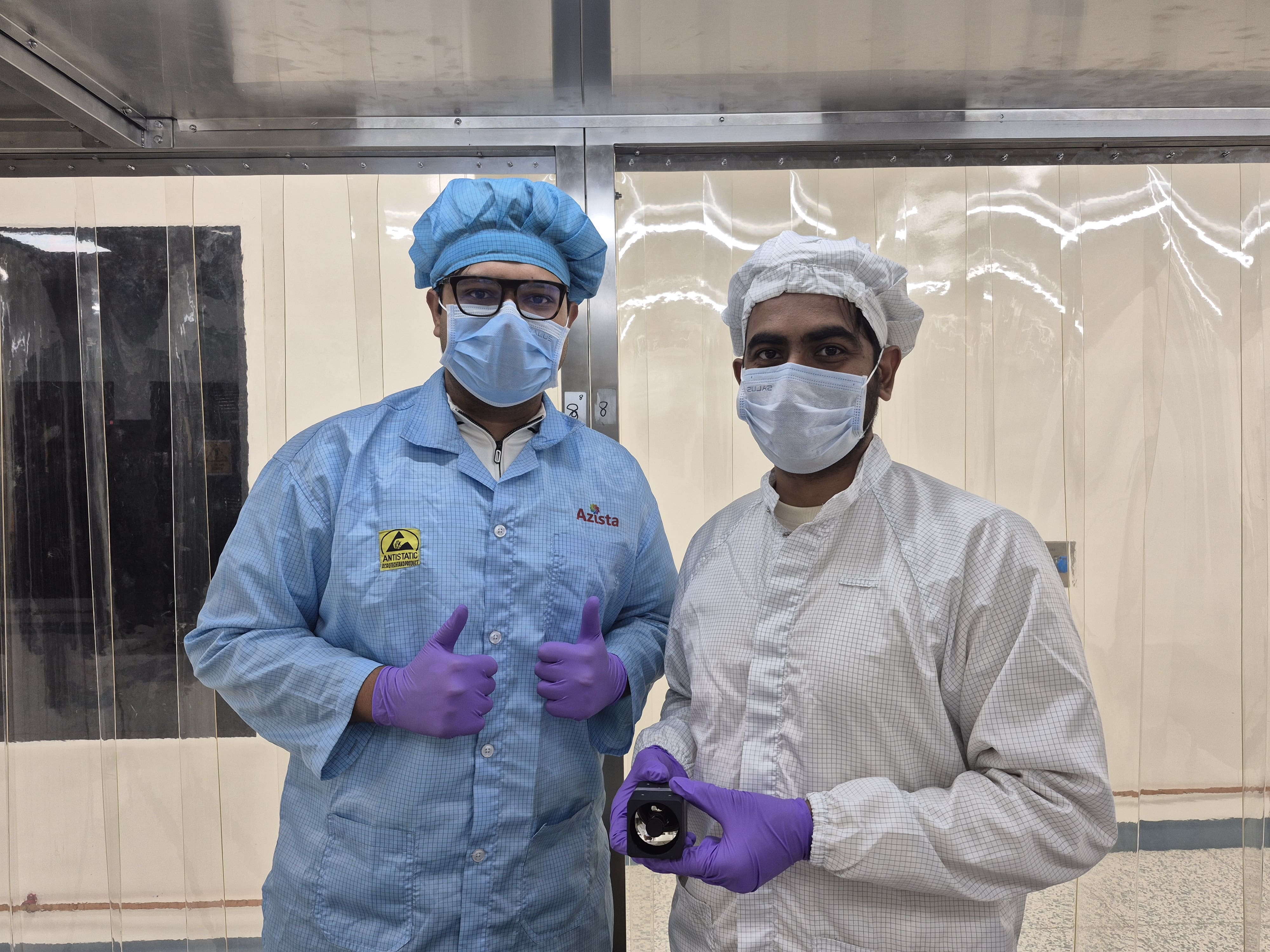
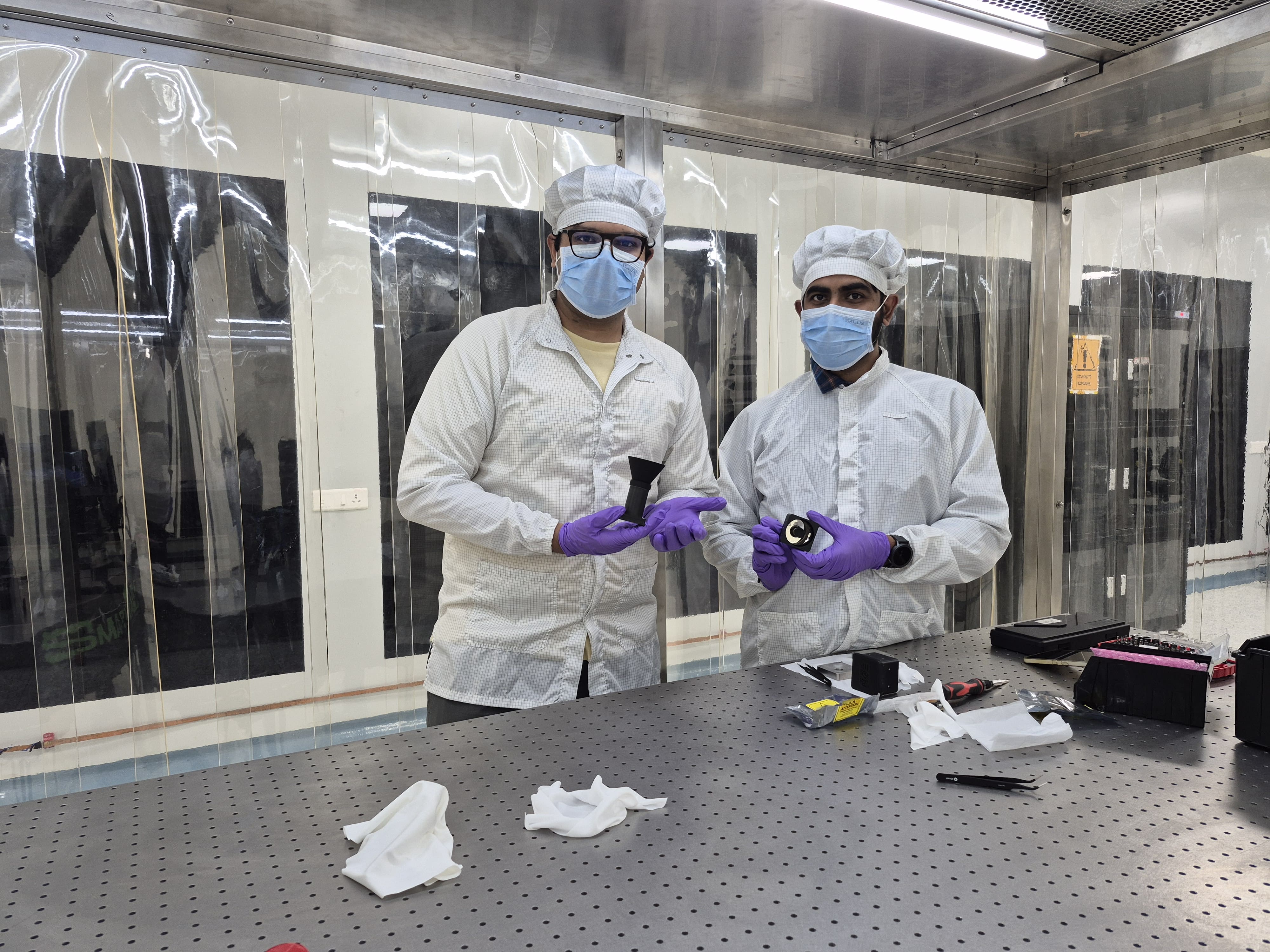
The assembly, integration, and testing (AIT) campaign involved building the flight model from qualified components, followed by environmental qualification testing.
- Flight model assembly with optical alignment verification
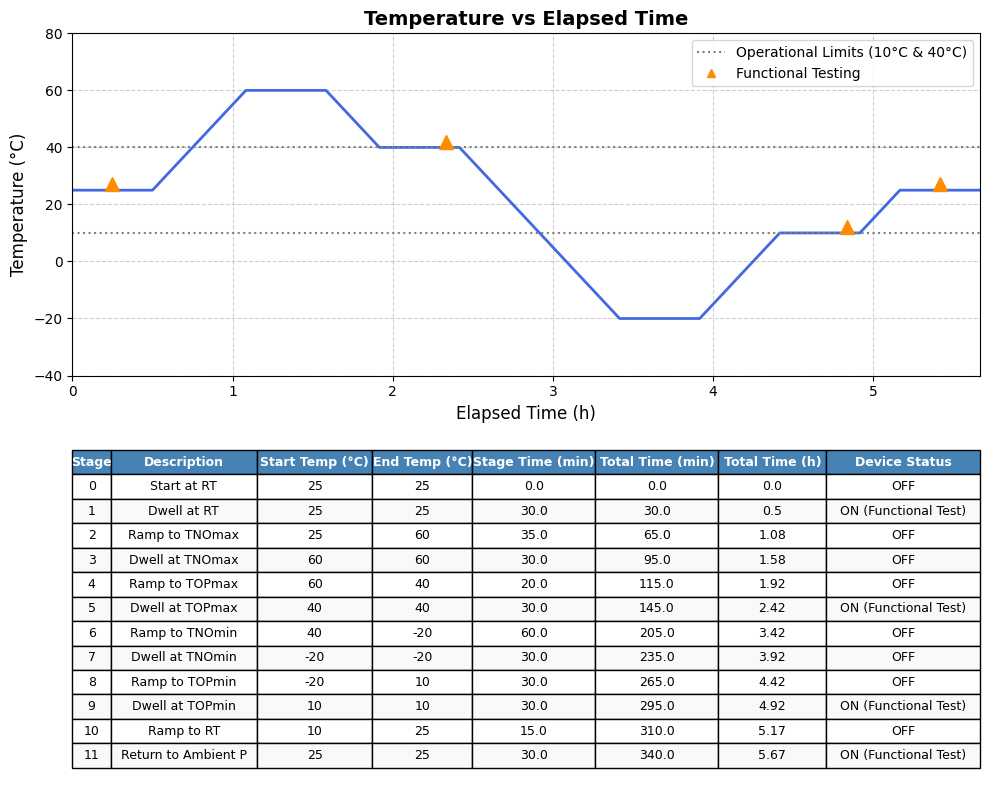
- Thermovacuum (TVAC) testing to validate thermal performance under simulated orbital conditions
- Environmental qualification against vibration and shock profiles
- Payload delivery and mechanical integration with the MOI-1 satellite bus
Mission Outcome
The MIRA telescope was successfully designed, built, environmentally qualified, and integrated into the MOI-1 satellite. The satellite was manifested on ISRO PSLV-C62, scheduled to launch from Sriharikota.
The PSLV-C62 launch vehicle experienced a third-stage anomaly during ascent, and the satellite did not reach its intended orbit. The telescope payload itself had completed all qualification milestones and was flight-ready at the time of launch.
Media
MIRA telescope assembly sequence