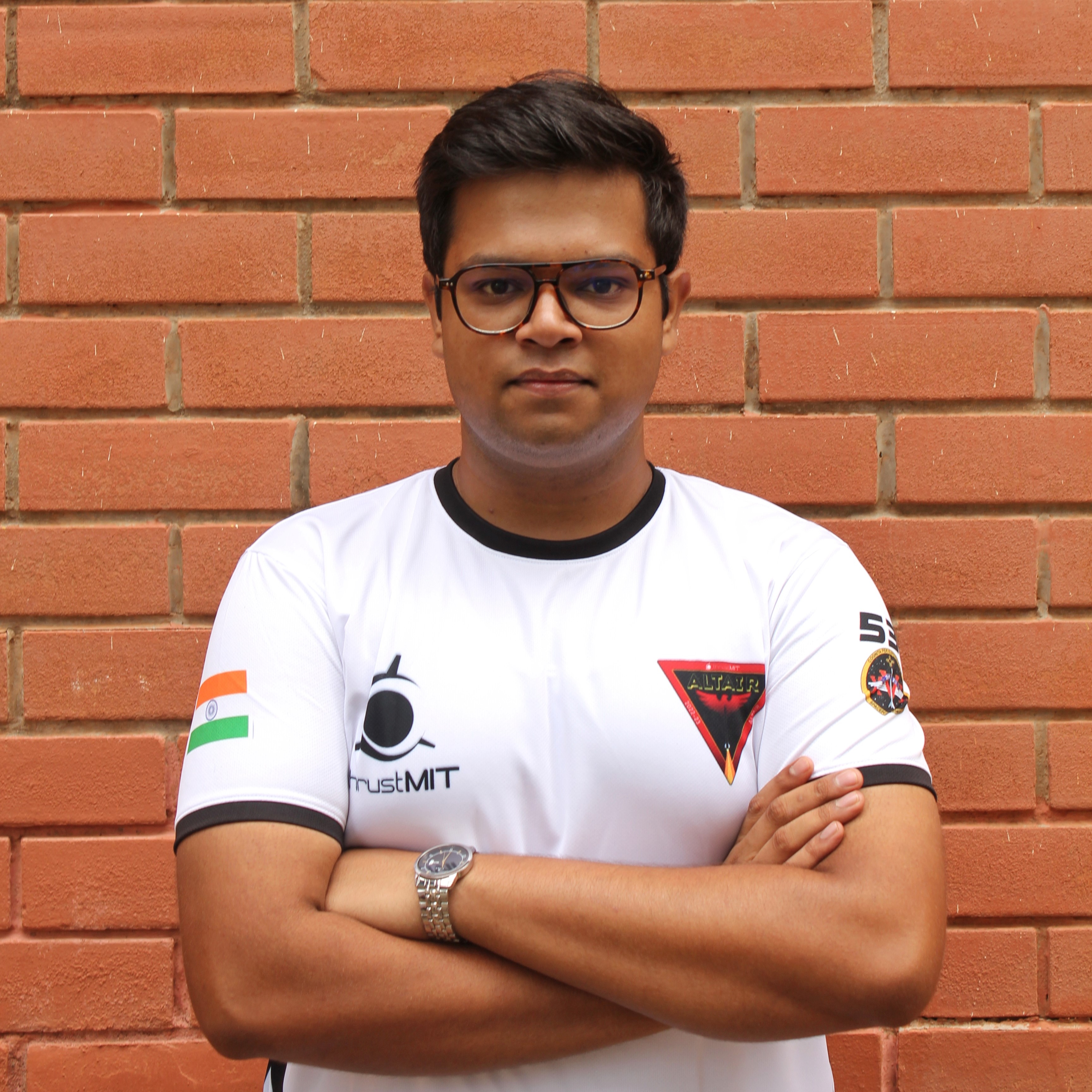
Parth Jain
I build rockets and spacecraft.
As a kid I had an encyclopaedia called Know It All, and I read it until it fell apart. It is where I learned what the numbers painted on a runway mean, how the stars got their names, and about the SR-71 Blackbird, still the most beautiful machine I think anyone has built. Then, one night, I came across Top Gun. I watched it on an old CRT with the sound right down, and decided flying something that fast was the best thing a person could do.
I never became a pilot. I became the person who works out whether the thing will survive the trip up.
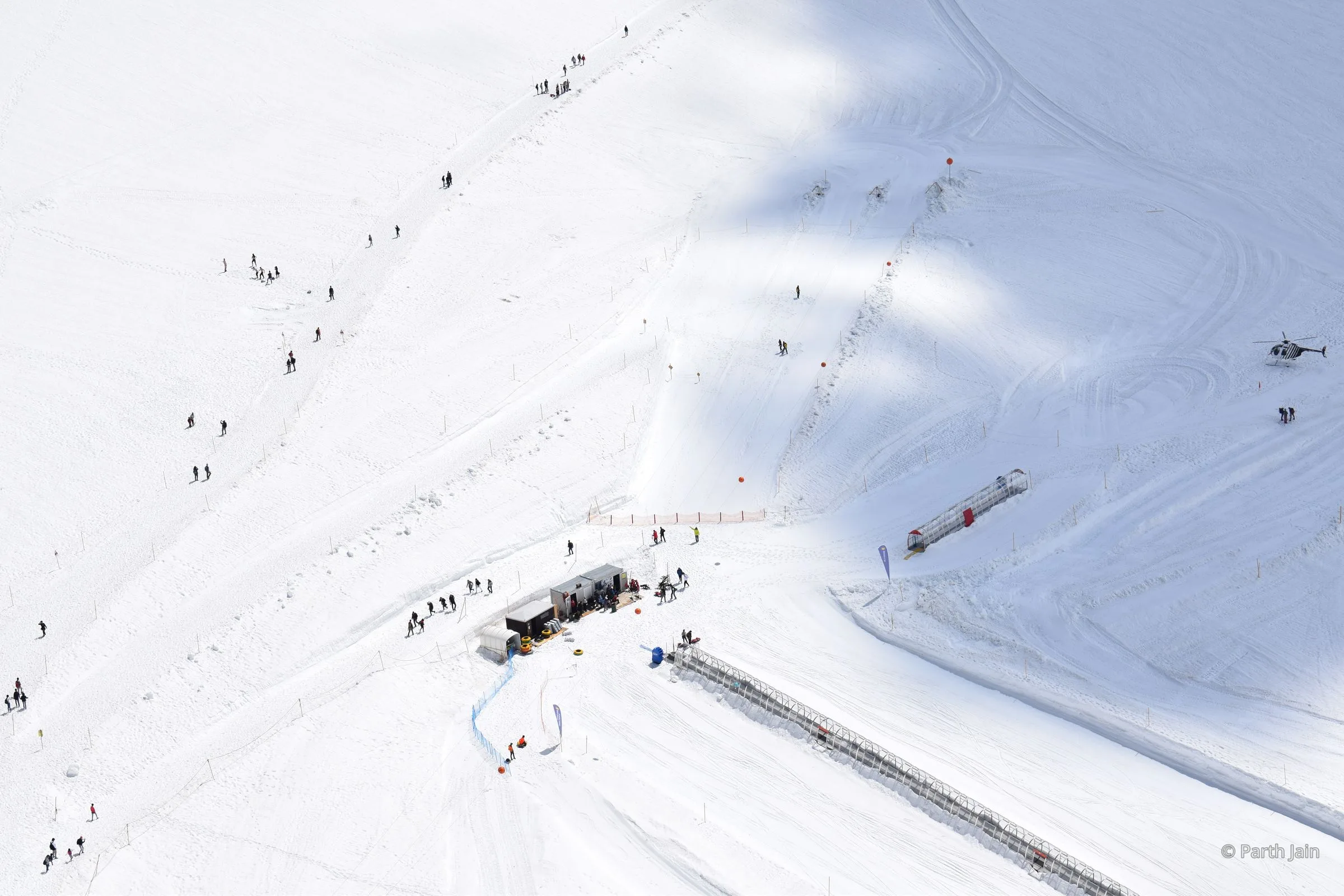
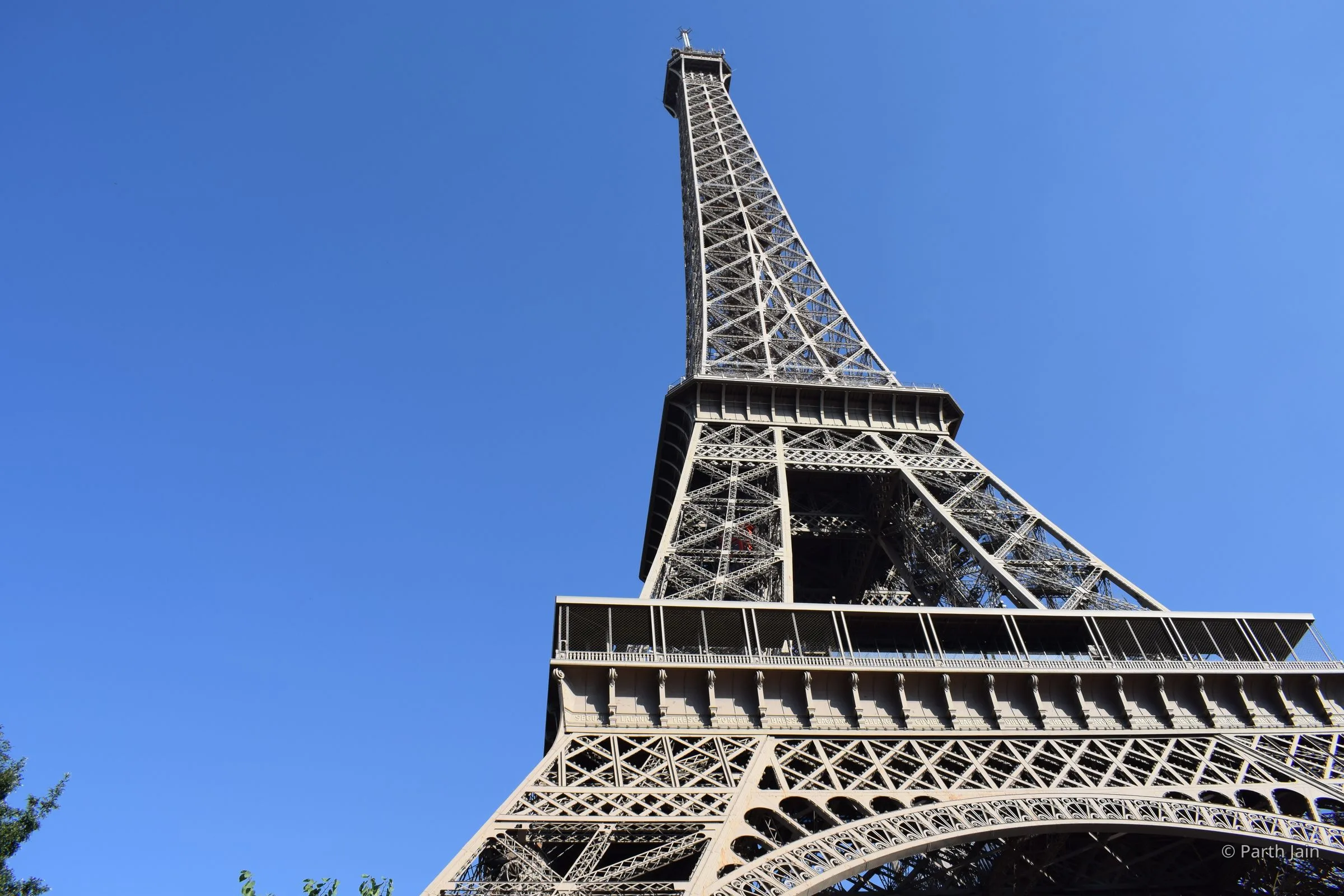
I got my first camera at fourteen, and took it across Paris and the Alps. I have been photographing, and chasing flights, ever since.
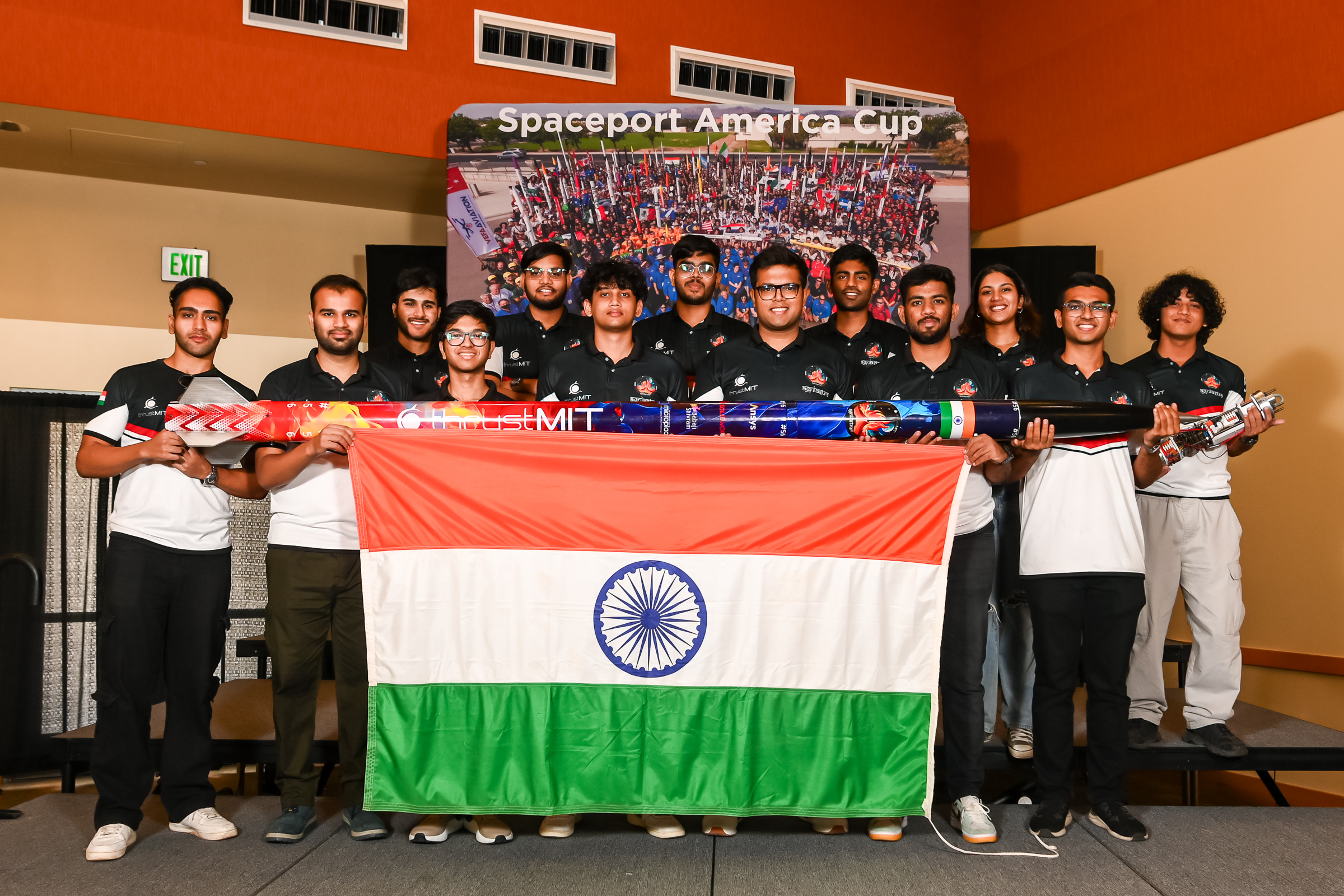
The rest followed. At MIT Manipal I led a 54-person team to build AgniAstra, India's first student-built supersonic rocket, and took it past Mach 1.7. I spent six months at ISRO modelling how a spacecraft survives braking against the atmosphere of another planet. And I built India's lightest space telescope.
Project
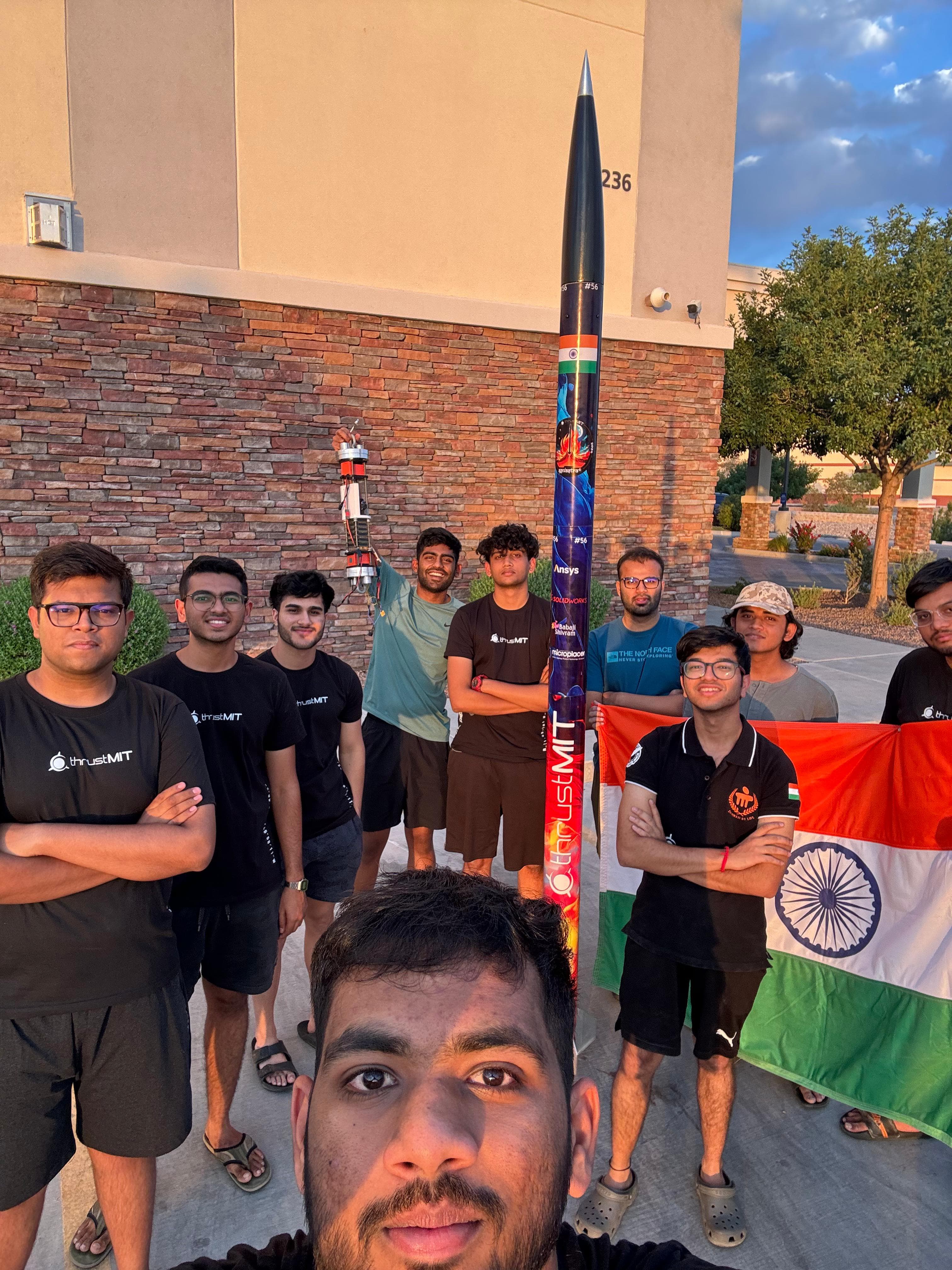
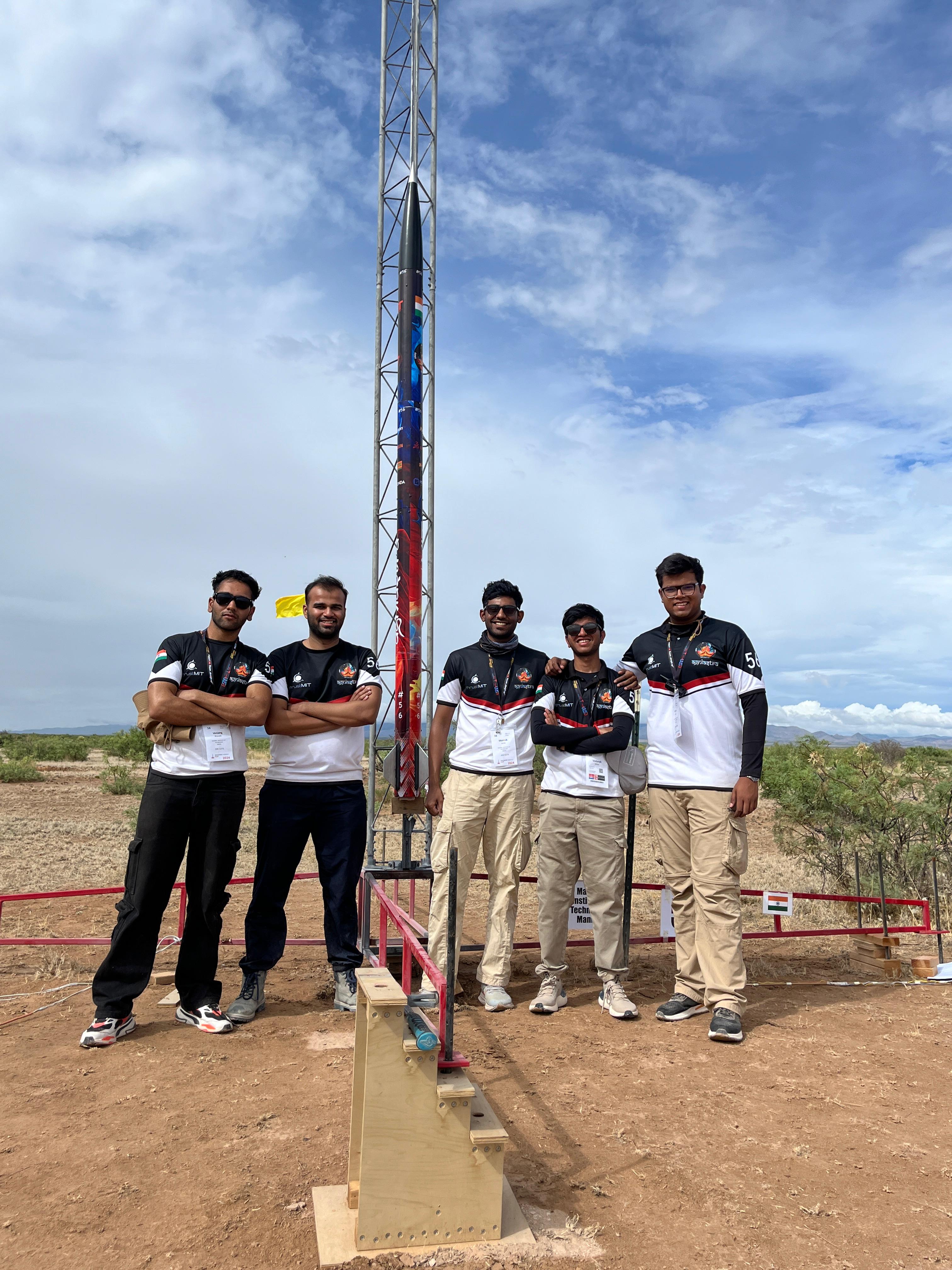
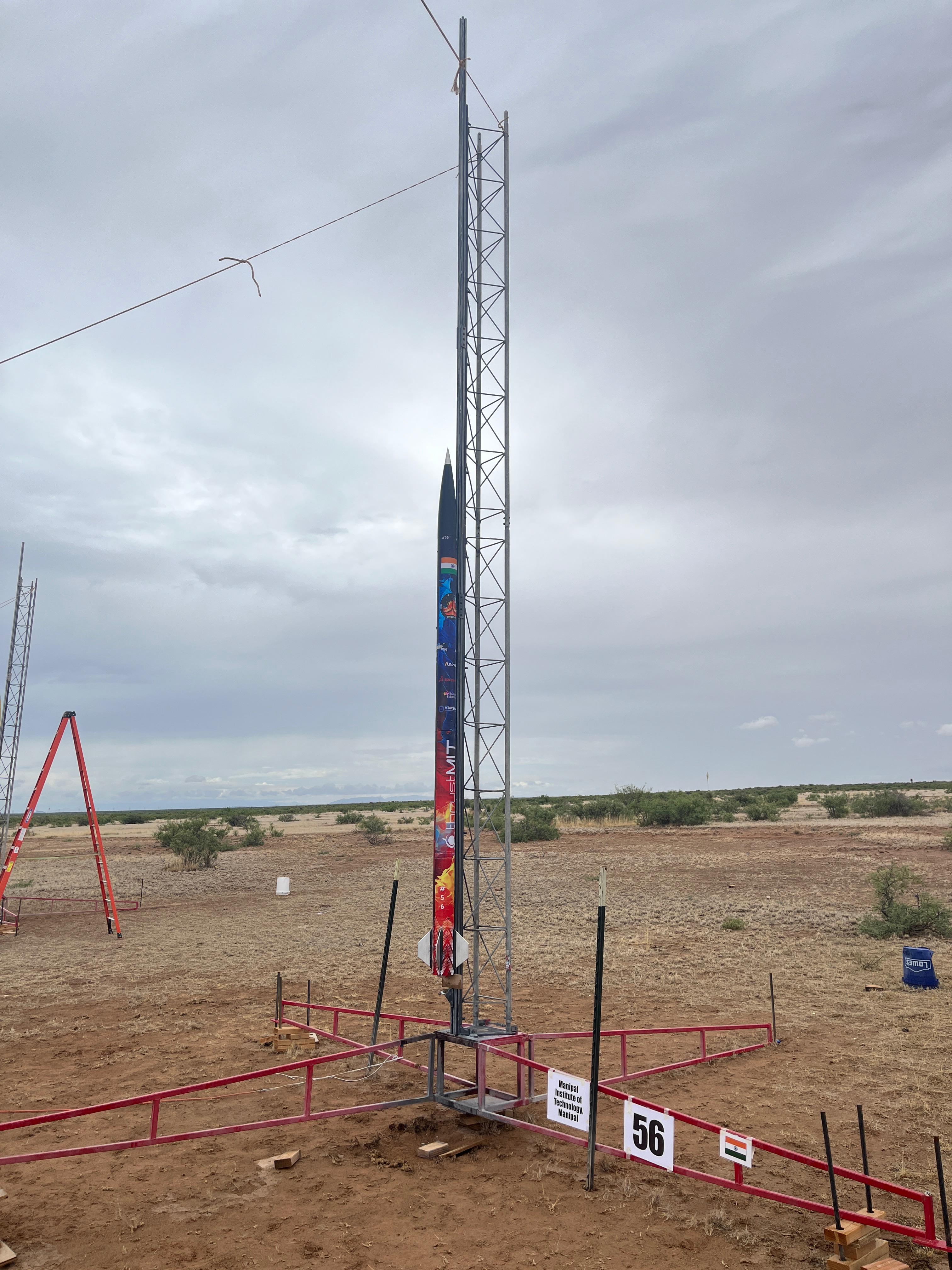
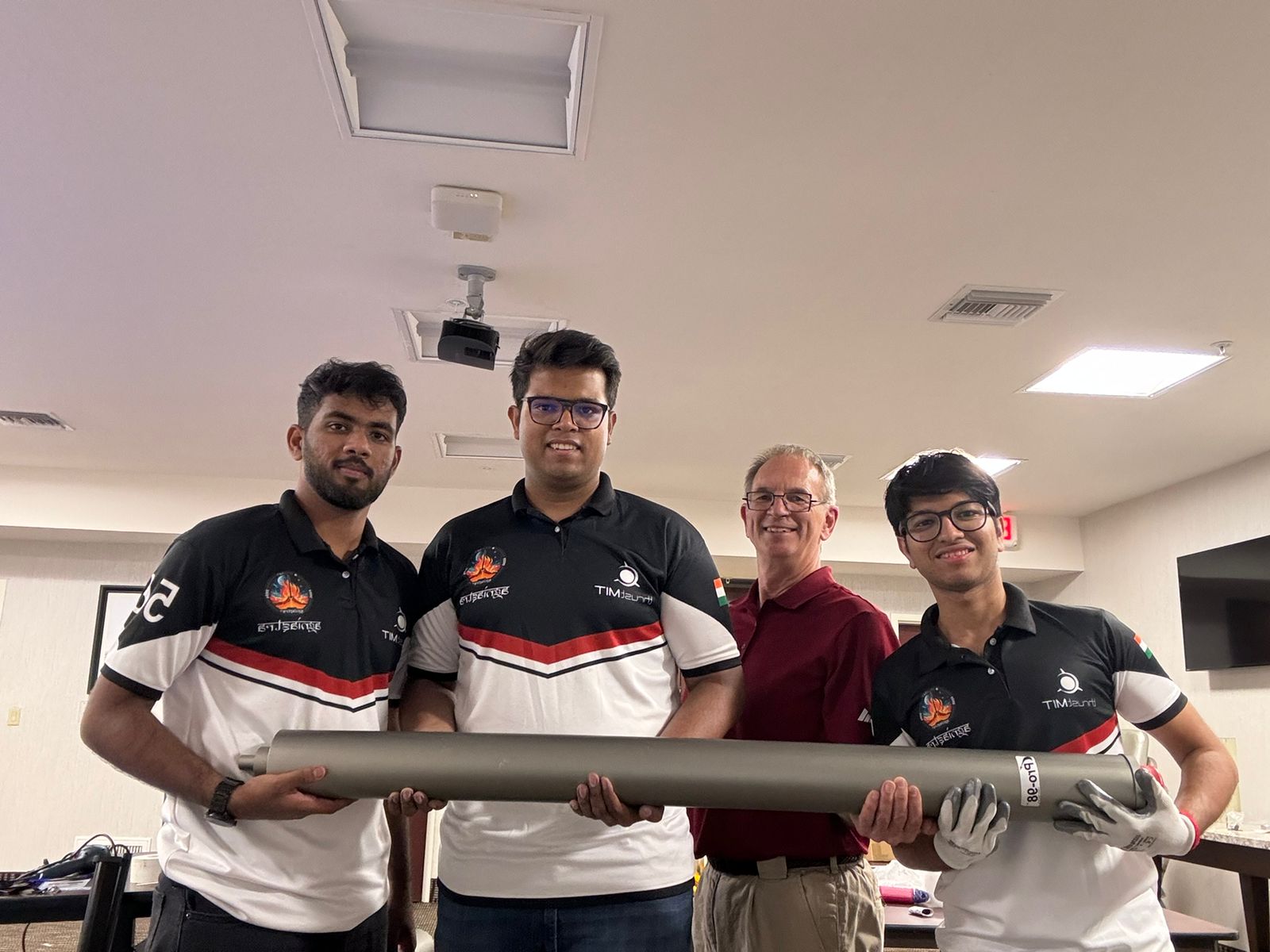
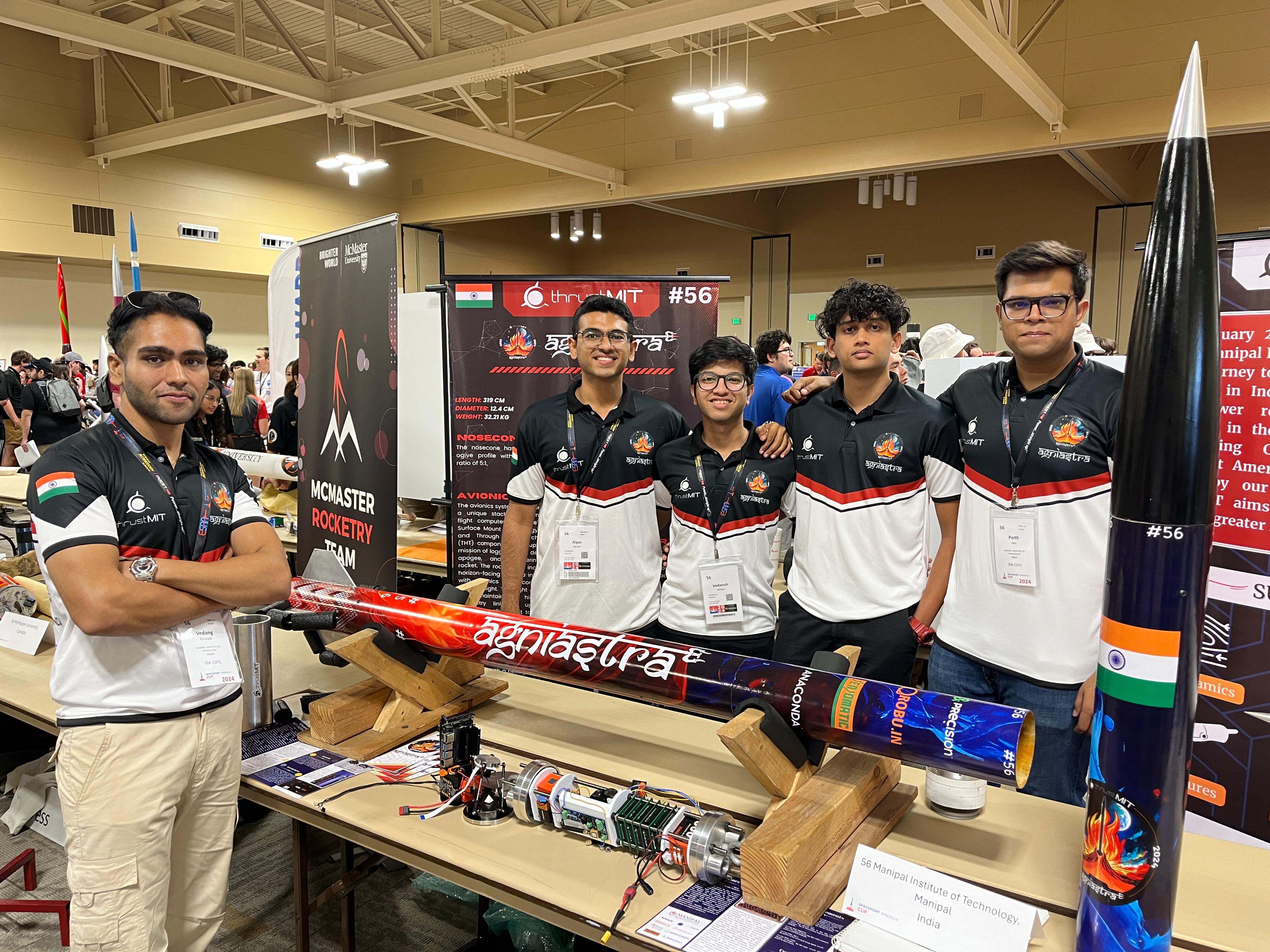
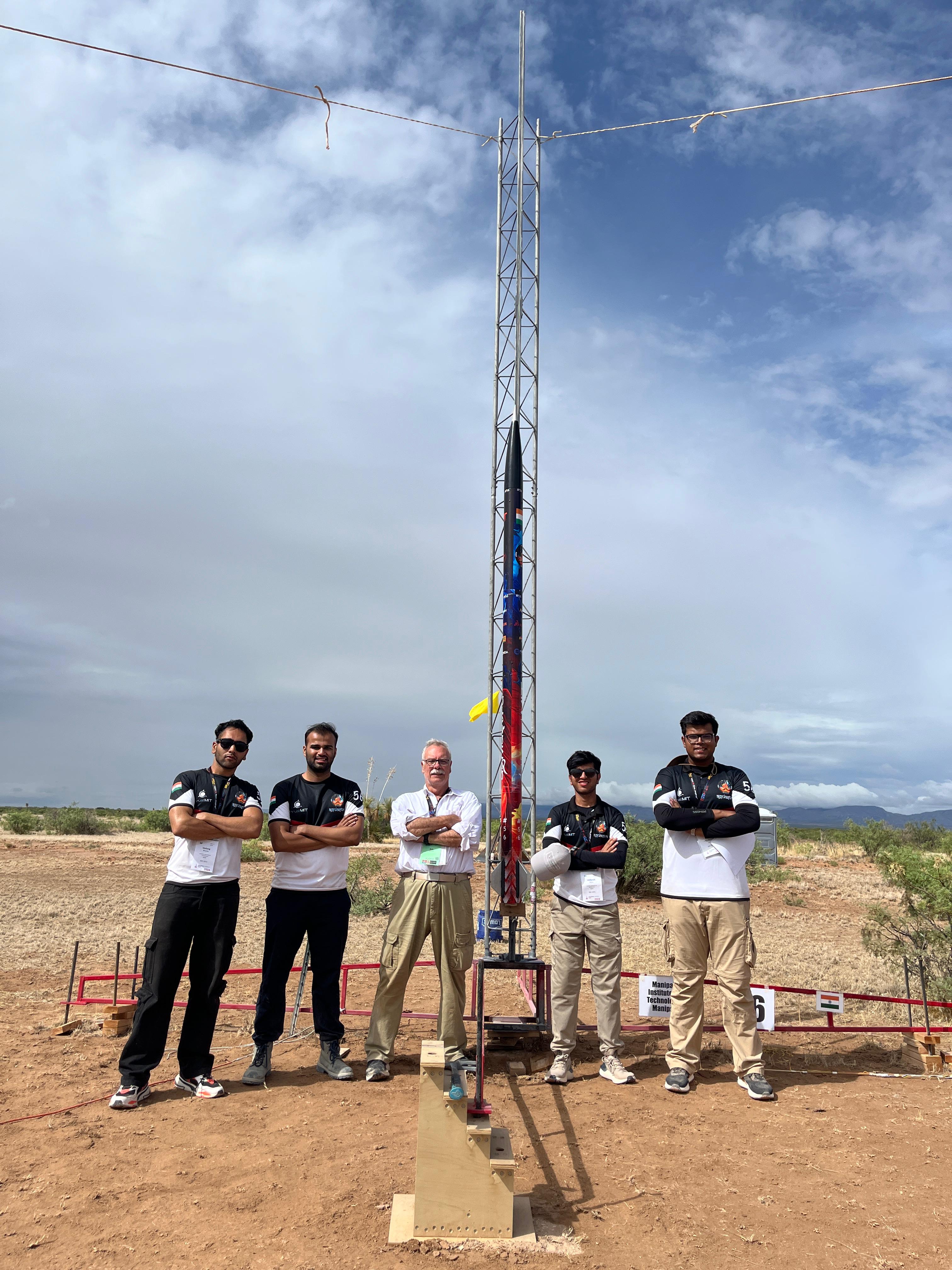
AgniAstra
India's first student-built supersonic sounding rocket. Led a 54-member team as Project Manager and Structural Design Engineer at Spaceport America Cup 2024.
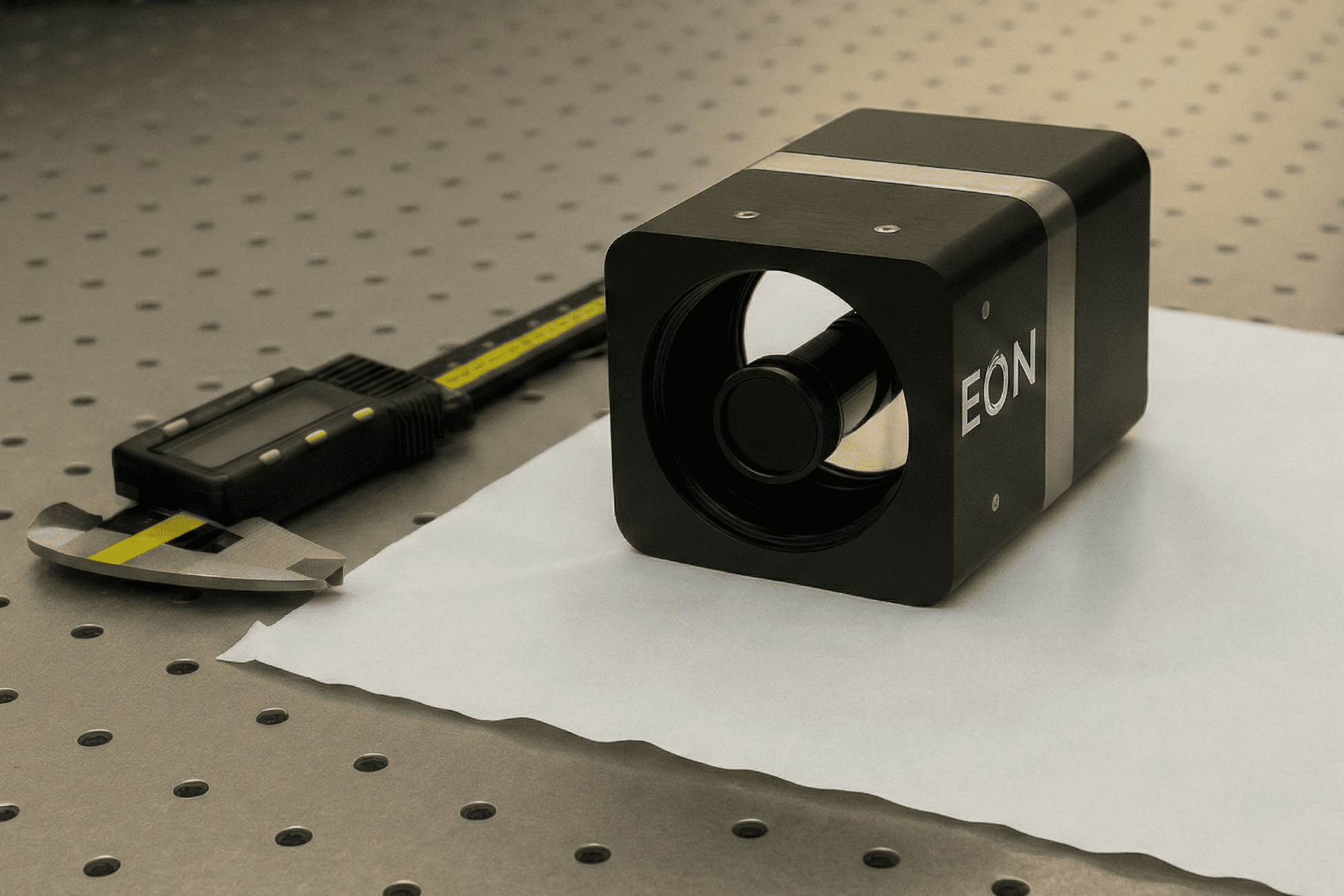
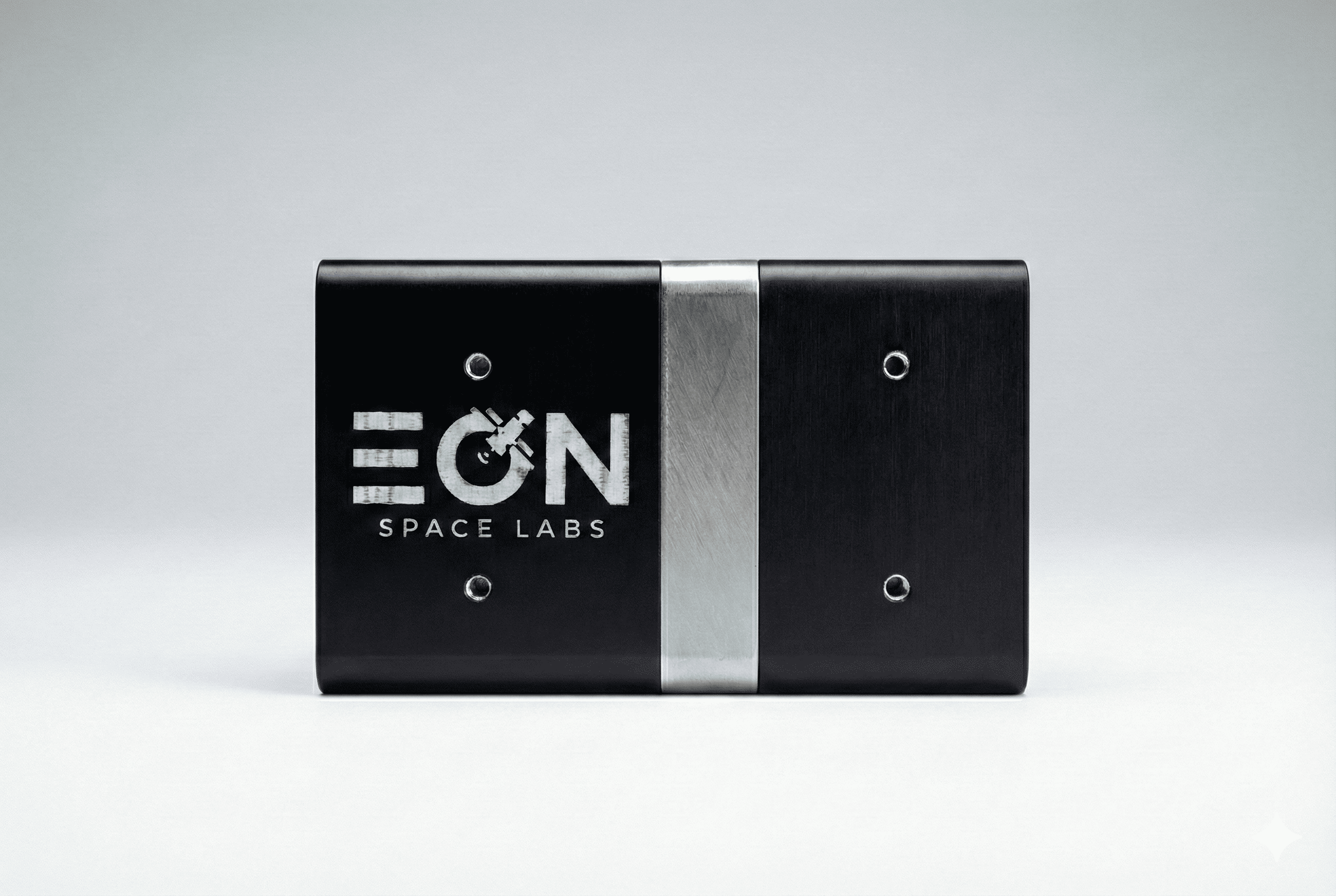
MIRA Space Telescope
Miniaturised optical space telescope by Eon Space Labs. Led mechanical systems design, achieving a 16% mass reduction. Oversaw AIT and integration with the MOI-1 satellite for PSLV-C62.
View Project Details →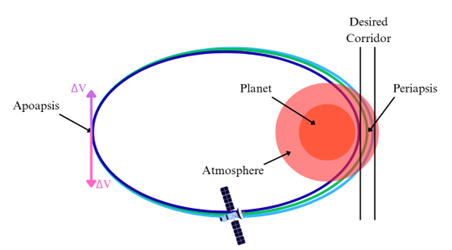
Venus Aerobraking Control Strategies
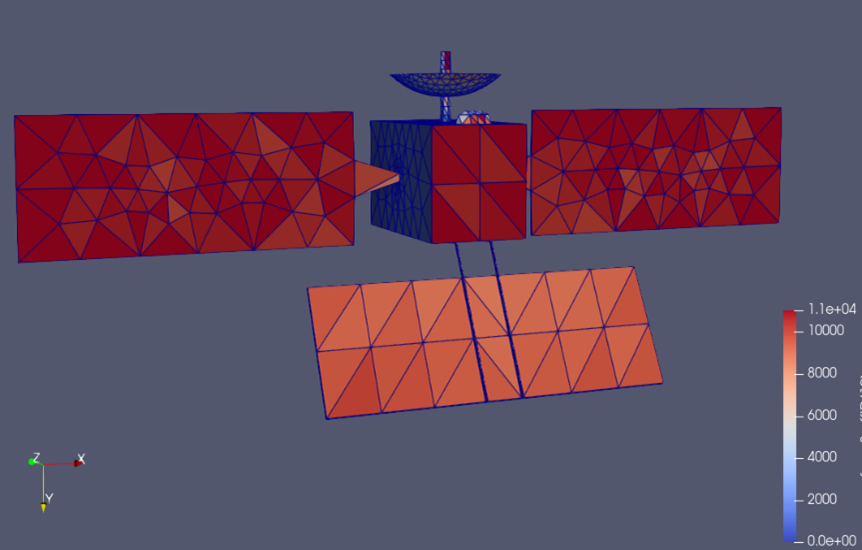
High-fidelity aerothermal braking simulations for Venus atmospheric entry using SPARTA for rarefied gas dynamics. ISRO.
View Project Details →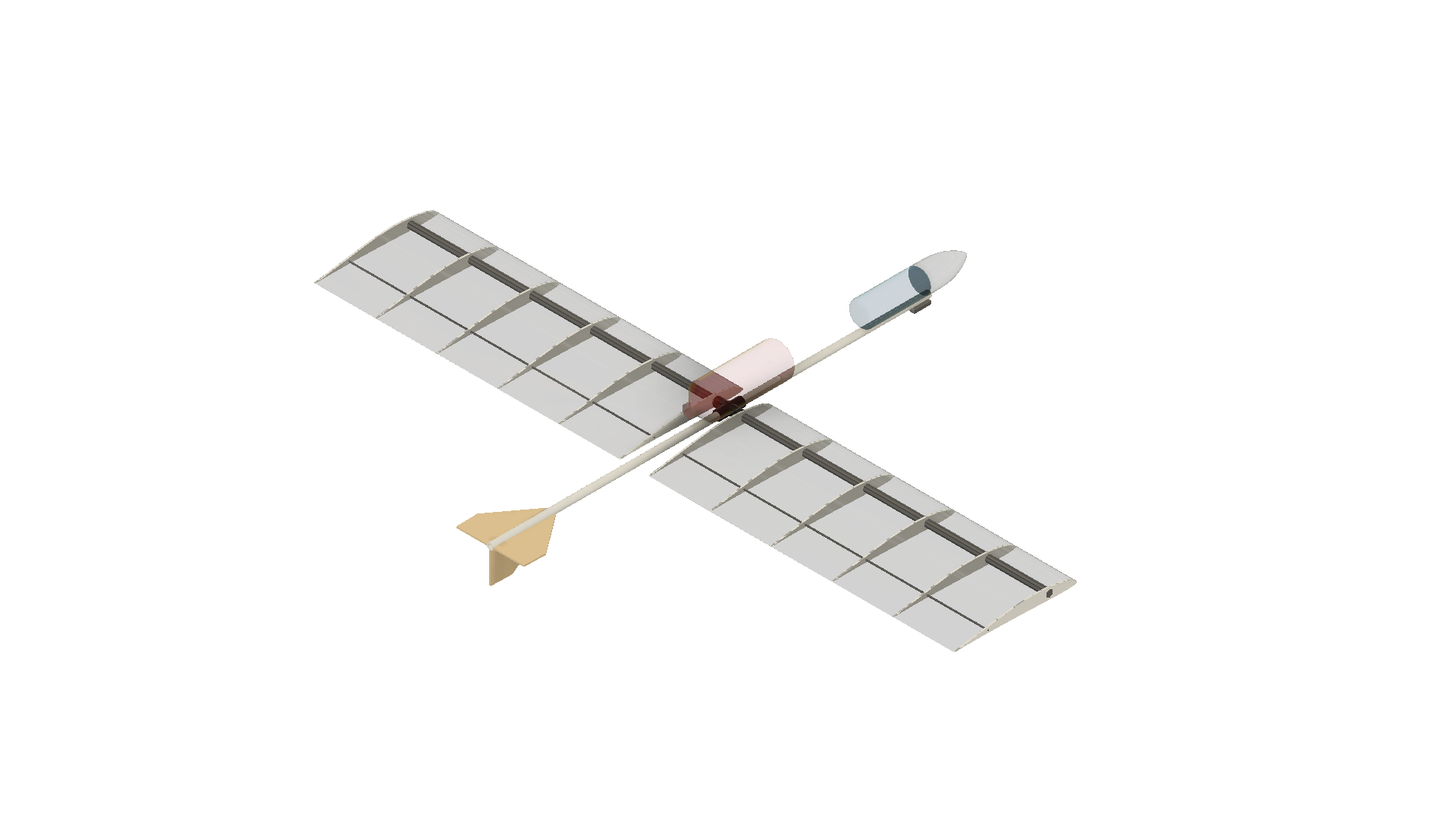
Airbus Sloshing Rocket Workshop
Sloshing rocket designed for the EUROAVIA x Airbus competition. Structural design, CAD, fabrication, and testing of a liquid-payload rocket.
View Project Details →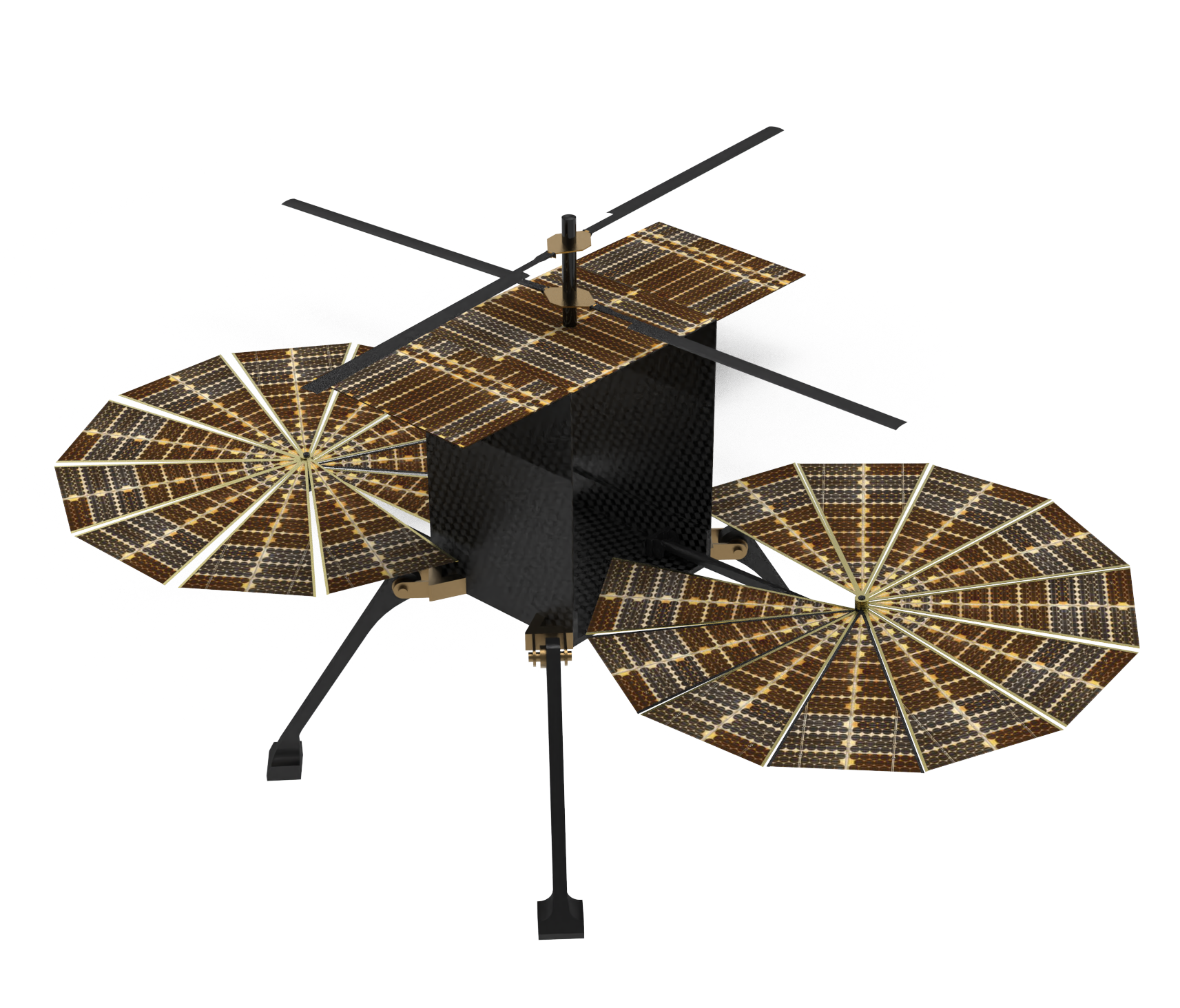
NACDeC VII – Team FlightForge
2nd Place · 45 Teams Nationwide. Solar-powered UAV for Martian atmospheric research. Won ₹1,25,000.
View Project Details →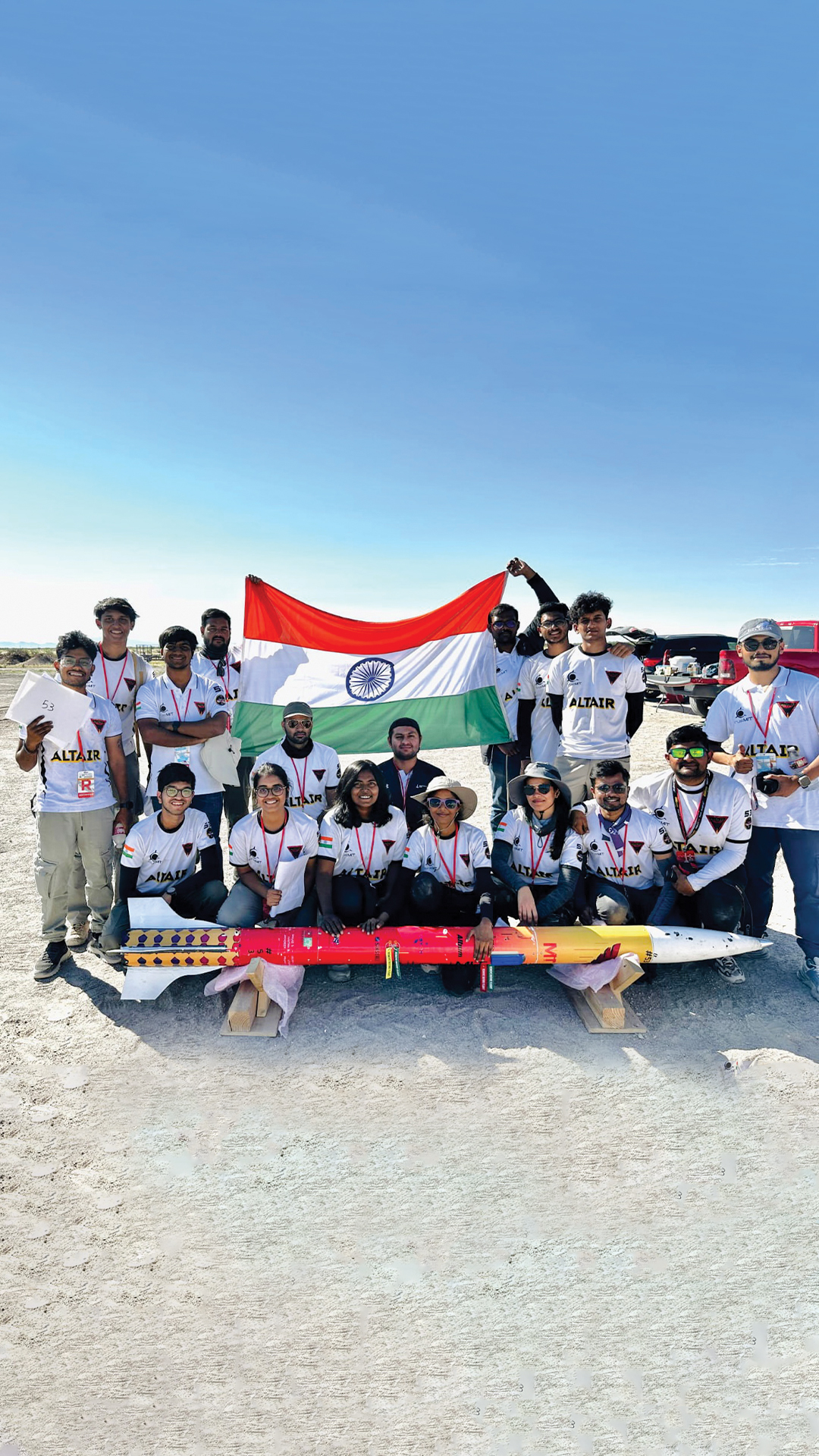
Project Altair
10K COTS rocket built for Spaceport America Cup 2023. Reached 10,331 ft with 0.51% apogee error.
View Project Details →Design Validation of Aluminium Sounding Rocket Fins Under Supersonic Flight Conditions
International Conference on Advances in Aerospace and Energy Systems (IAES 2026)
Presented April 2026
Multiphysics validation of aluminium rocket fins for supersonic flight, combining CFD, fluid-structure interaction, and structural simulations. The optimized design balances drag, thermal resistance, and aeroelastic stability, demonstrating safe performance under peak flight conditions.
Predictive Thermal Control Strategies for Aerobraking: Peak Temperature Forecasting and Adaptive Maneuvers
28th National and 6th International ISHMT–ASTFE Heat and Mass Transfer Conference
Presented December 2025
Forecasting peak thermal loads during aerobraking and developing adaptive control strategies to ensure spacecraft survivability during atmospheric passes.
Published in the ISHMT Digital Library
Project AgniAstra - Technical Report, Spaceport America Cup 2024
Spaceport America Cup 2024 · 30K COTS · Manipal Academy of Higher Education
June 2024
30K COTS vehicle for Spaceport America Cup 2024 targeting 30,000 ft apogee. Carbon and glass fibre composite fuselage, Cesaroni Pro98 motor, dual-event parachute recovery, and a nosecone-housed CanSat payload with IR camera and onboard computer vision for real-time pose tracking.
Published on ResearchGate
Sounding Rocket Device with Fin and Motor Alignment Attachment
Application No. 202441075844
Attachment mechanism for precise fin and motor alignment in high-performance sounding rockets, enabling repeatable structural integrity under supersonic loads.
Celebrating India's young innovators
Featured for contributions to student rocketry and thrustMIT's performance at the Spaceport America Cup 2024.
Read →India Education DiarythrustMIT Team Recognised as India's Young Innovators
Coverage of thrustMIT's recognition at Spaceport America Cup 2024.
Read →Manipal Alumni NetworkFlightForge's Second-Place Finish at NACDeC-VII
Highlighting FlightForge's achievement in the aerospace design competition.
Read →I want to build vehicles that work where the physics is unforgiving.
High speeds, atmospheric entry, the edge of space. Regimes where small decisions carry enormous consequences and the engineering has to hold. That is the work I want.

Leading mechanical systems design, structural analysis, and integration testing across all hardware products.
Developed aerobraking control strategies for upcoming interplanetary missions. Built a comprehensive simulation framework integrating DSMC aerothermal analysis, orbital mechanics, and thermal modelling.
Where I’ve been.