Parth Jain
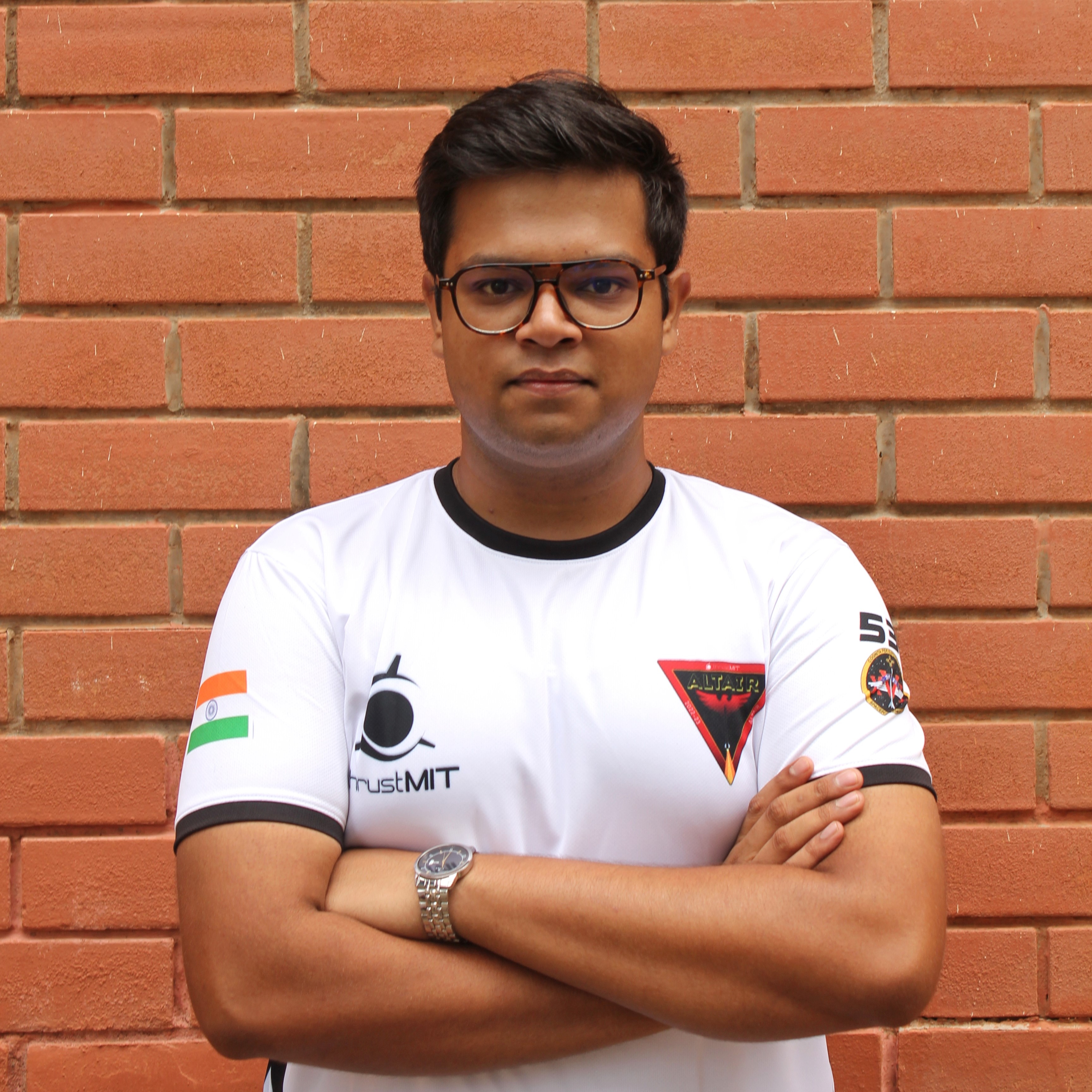
Aerospace engineer focused on the complete lifecycle of flight-ready hardware. My experience spans structural design, thermal analysis, and systems engineering across both the space and defence sectors. From leading the team that launched India's first student-built supersonic rocket to modelling aerobraking strategies for ISRO, I specialise in translating complex simulations into physical systems that thrive in extreme environments.

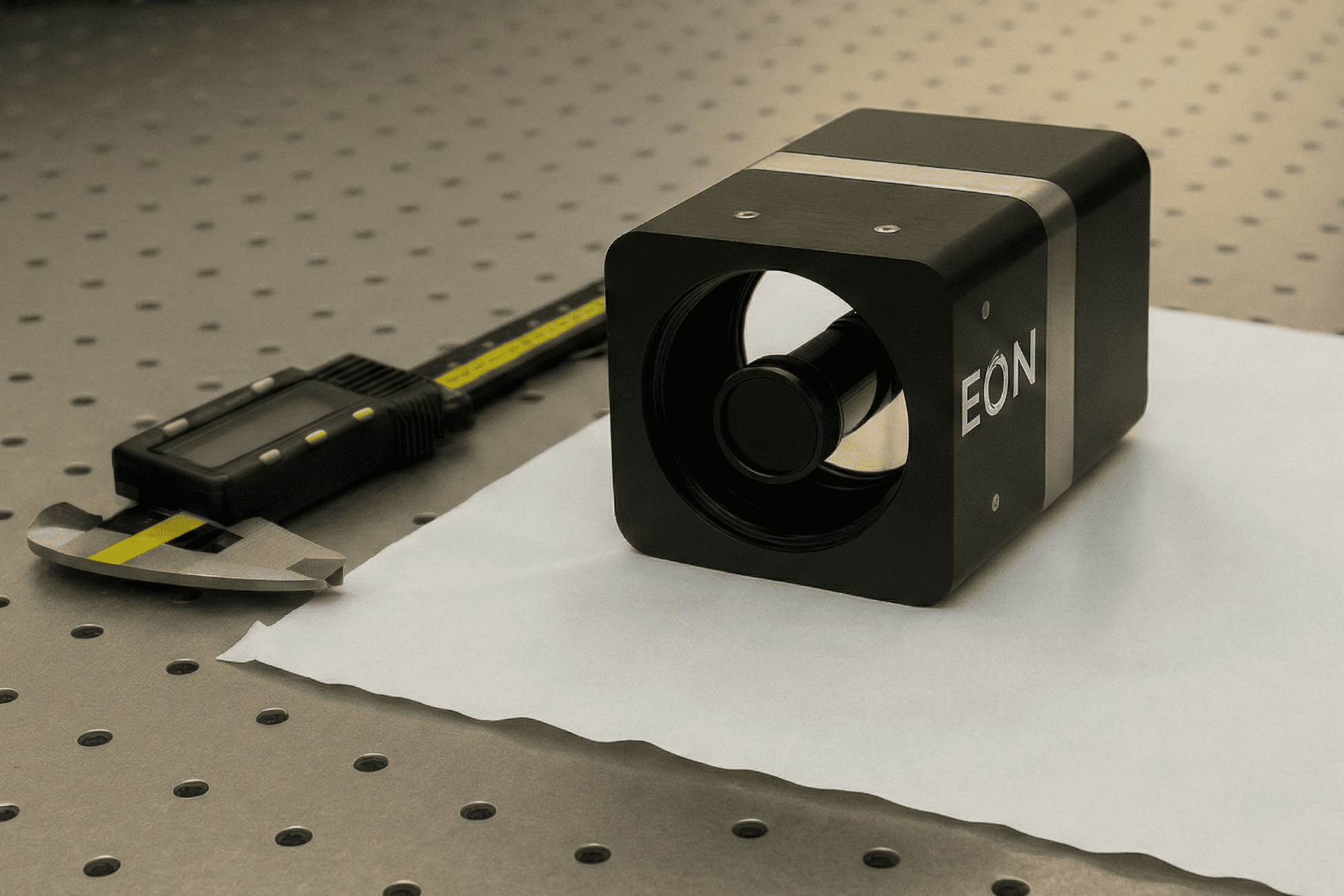
Leading mechanical systems design, structural analysis, and integration testing across all hardware products.
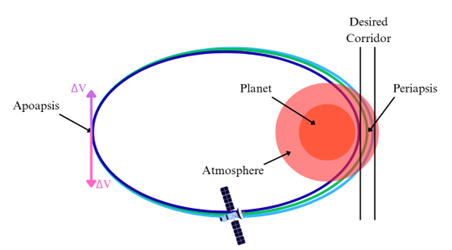
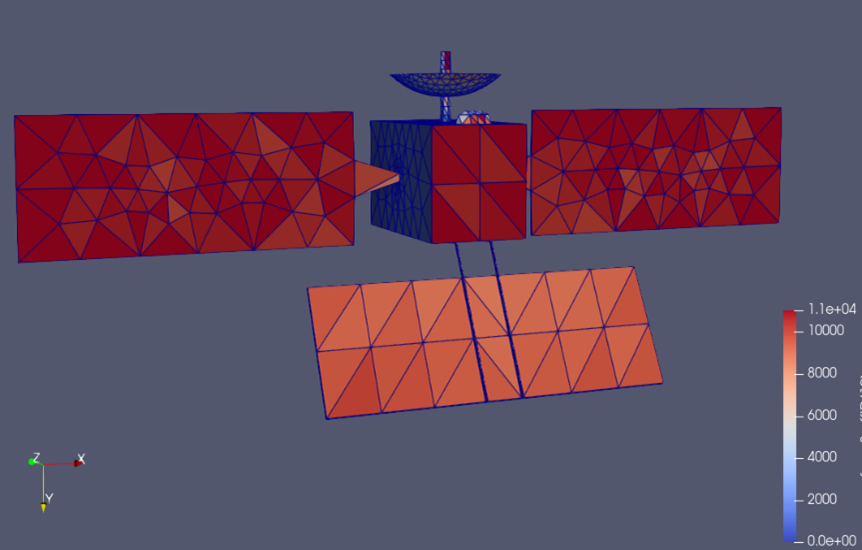
Developed aerobraking control strategies for upcoming interplanetary missions. Built a comprehensive simulation framework integrating DSMC aerothermal analysis, orbital mechanics, and thermal modelling.
Project
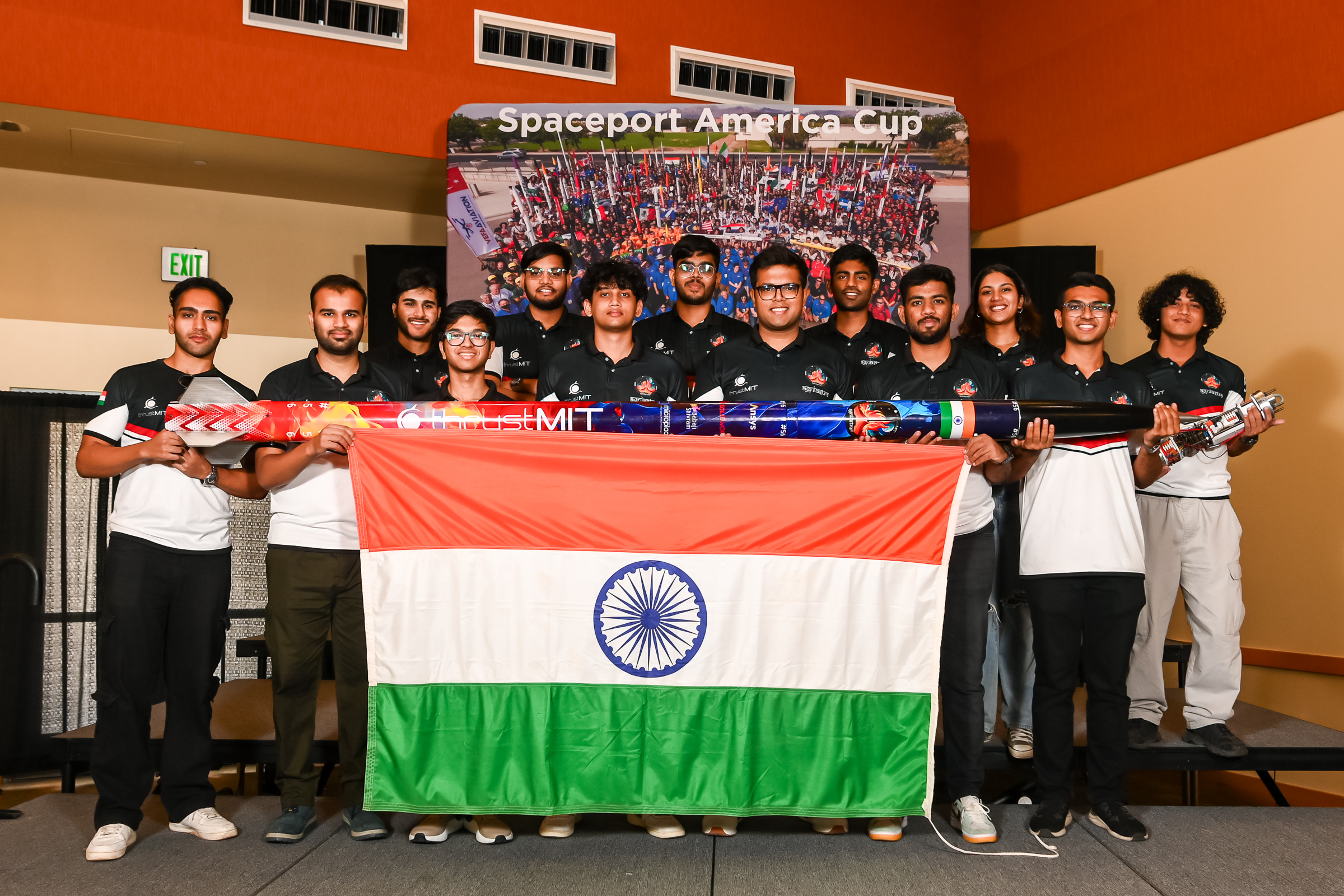
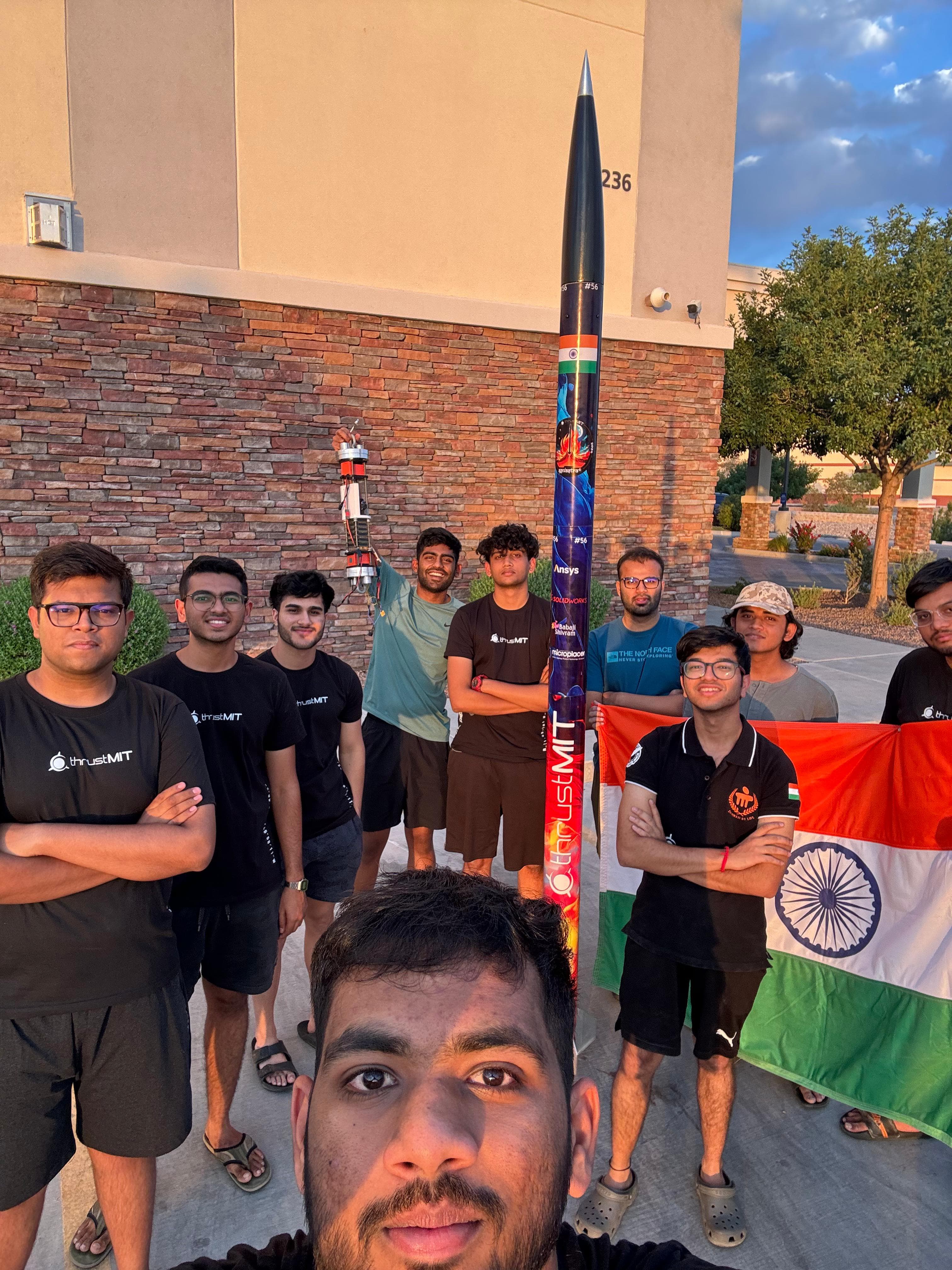
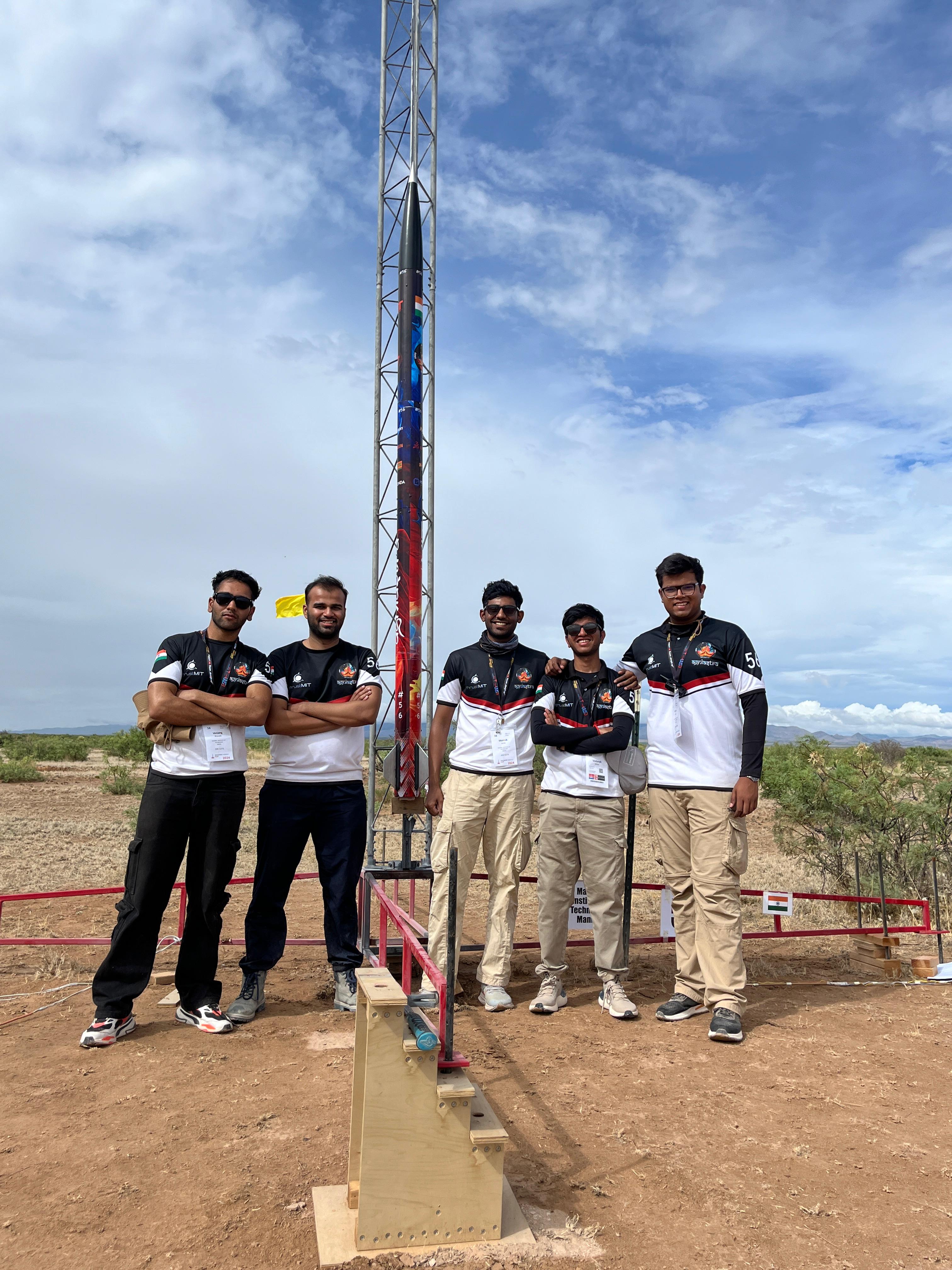
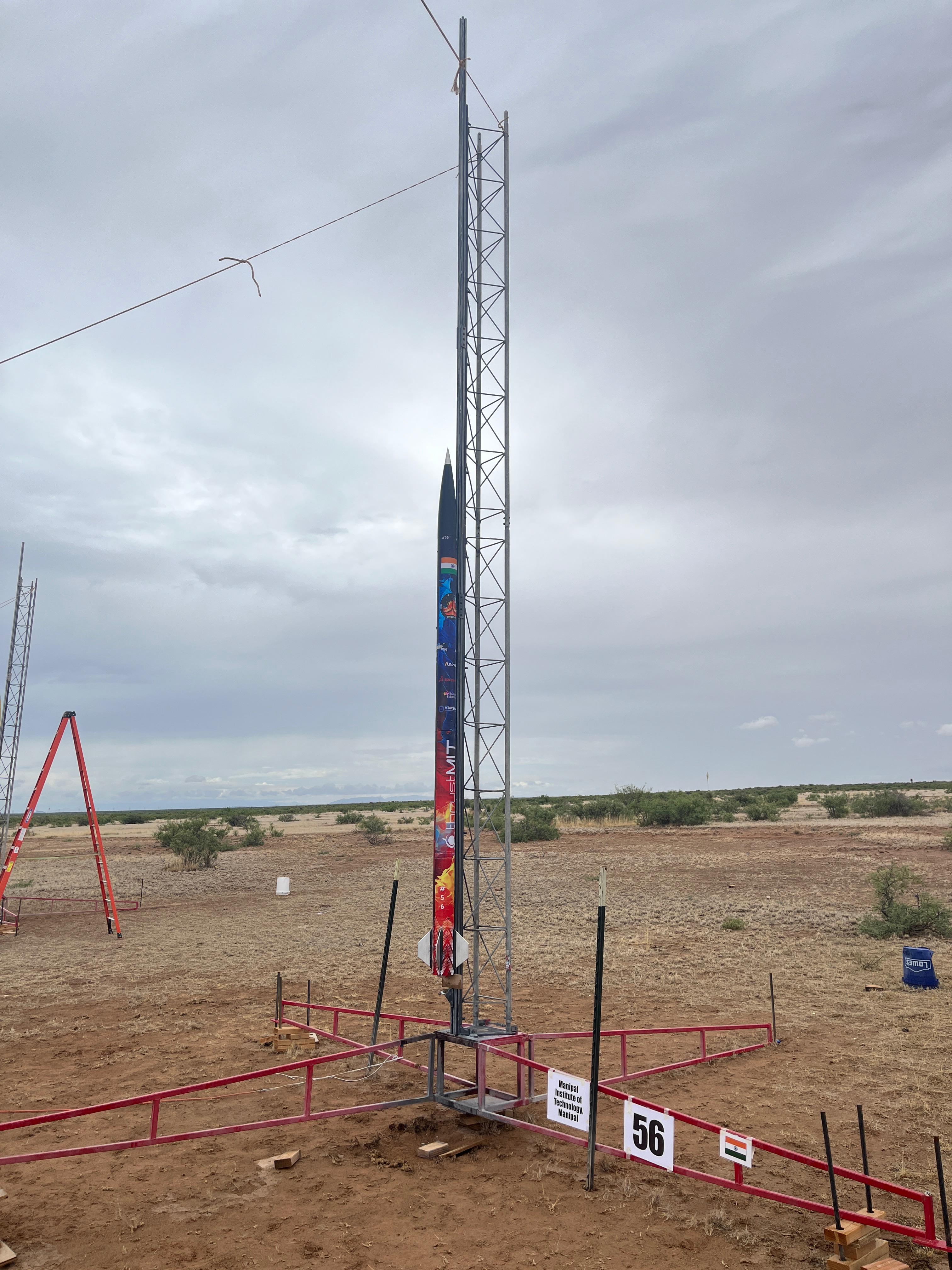
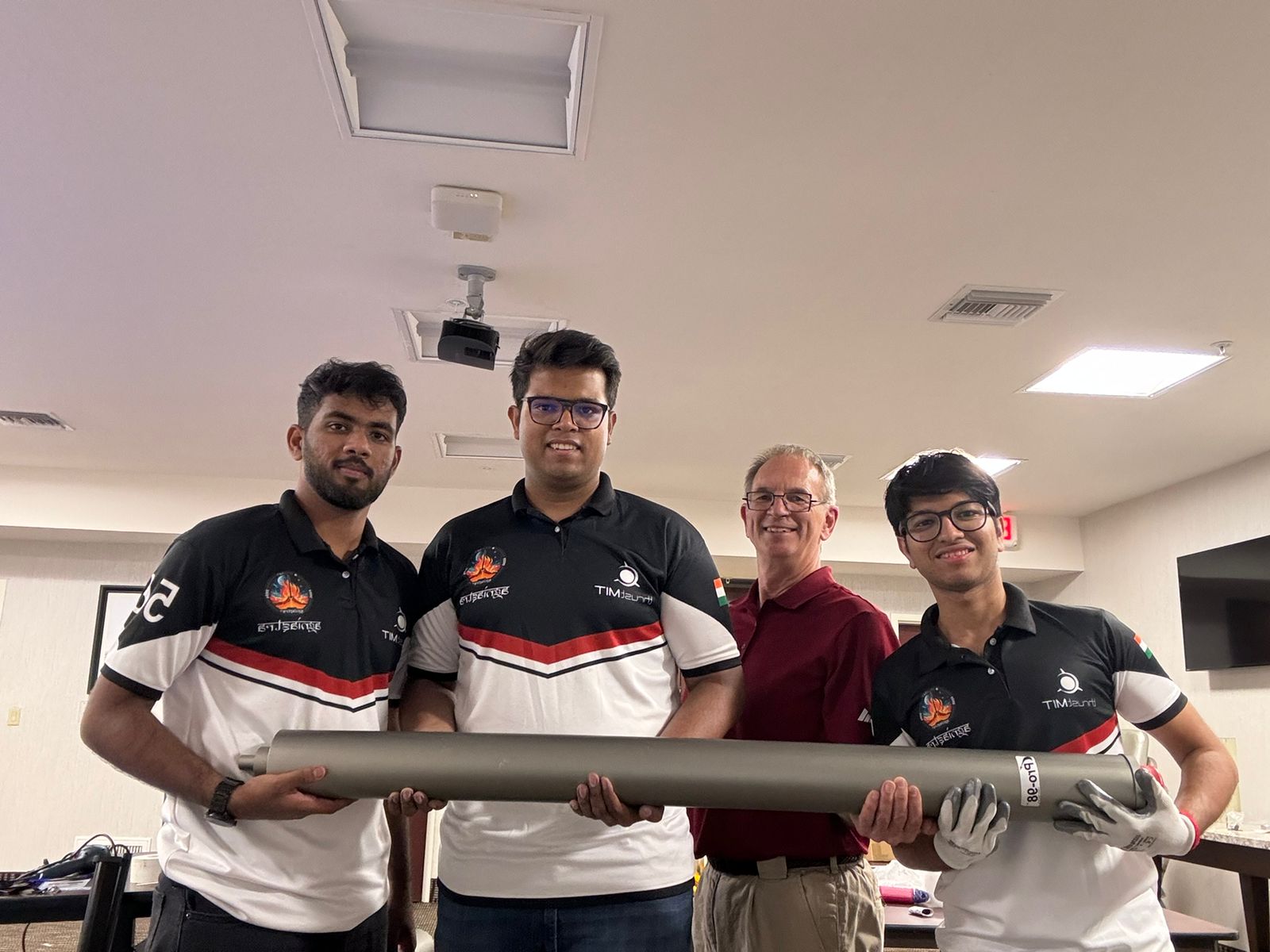
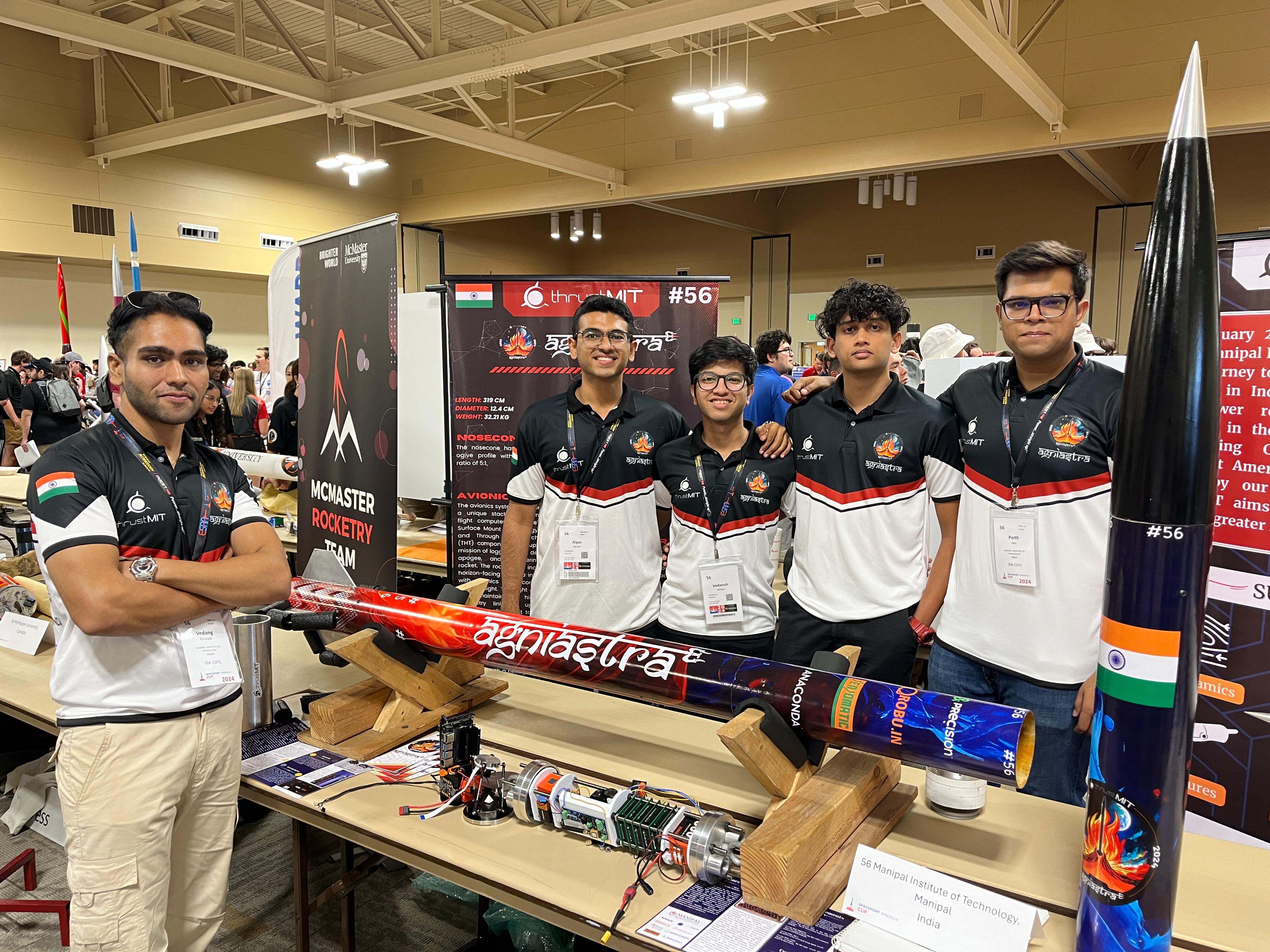
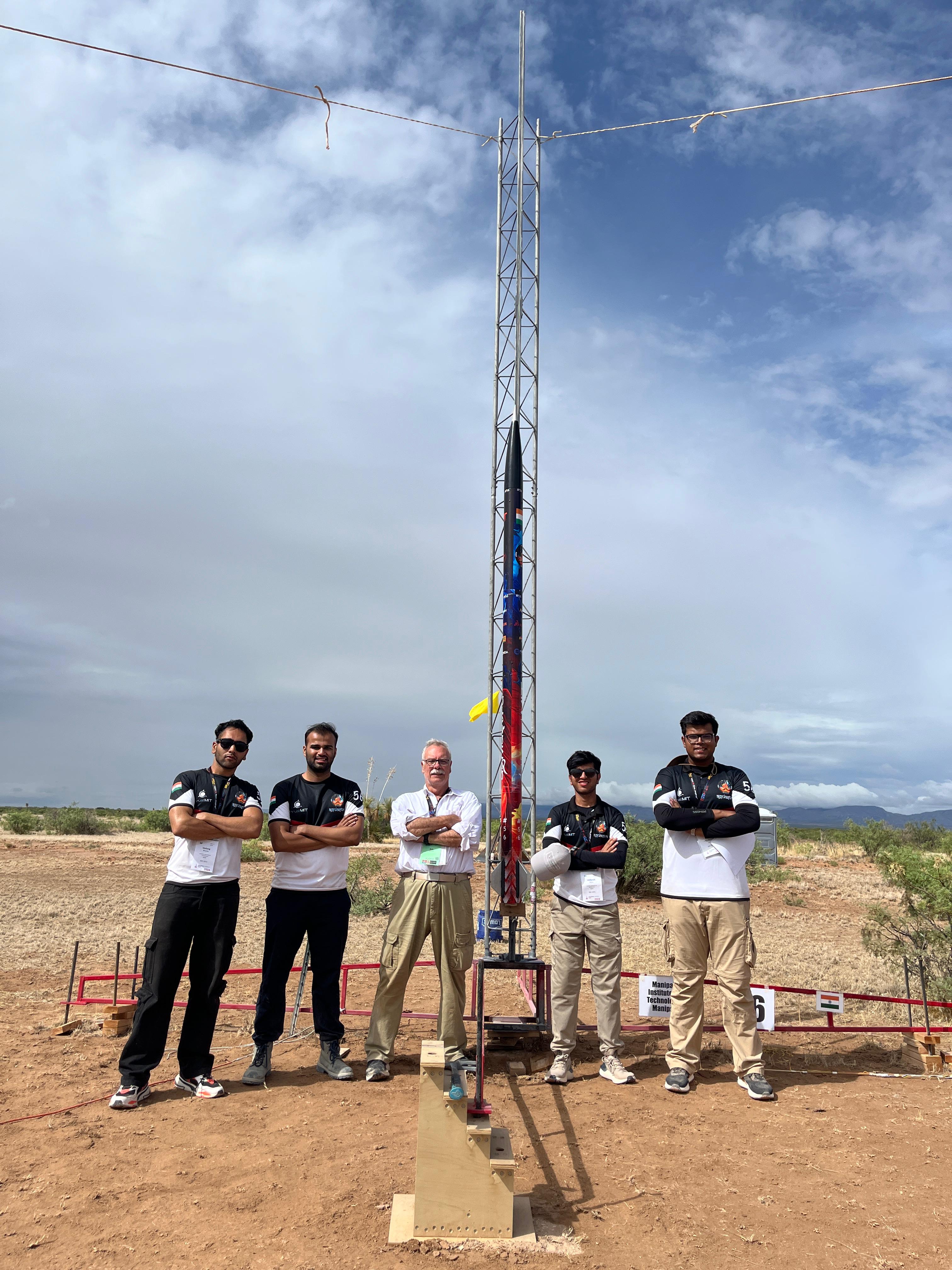
AgniAstra
India's first student-built supersonic sounding rocket. Led a 54-member team as Project Manager and Structural Design Engineer at Spaceport America Cup 2024.
NACDeC VII — Team FlightForge
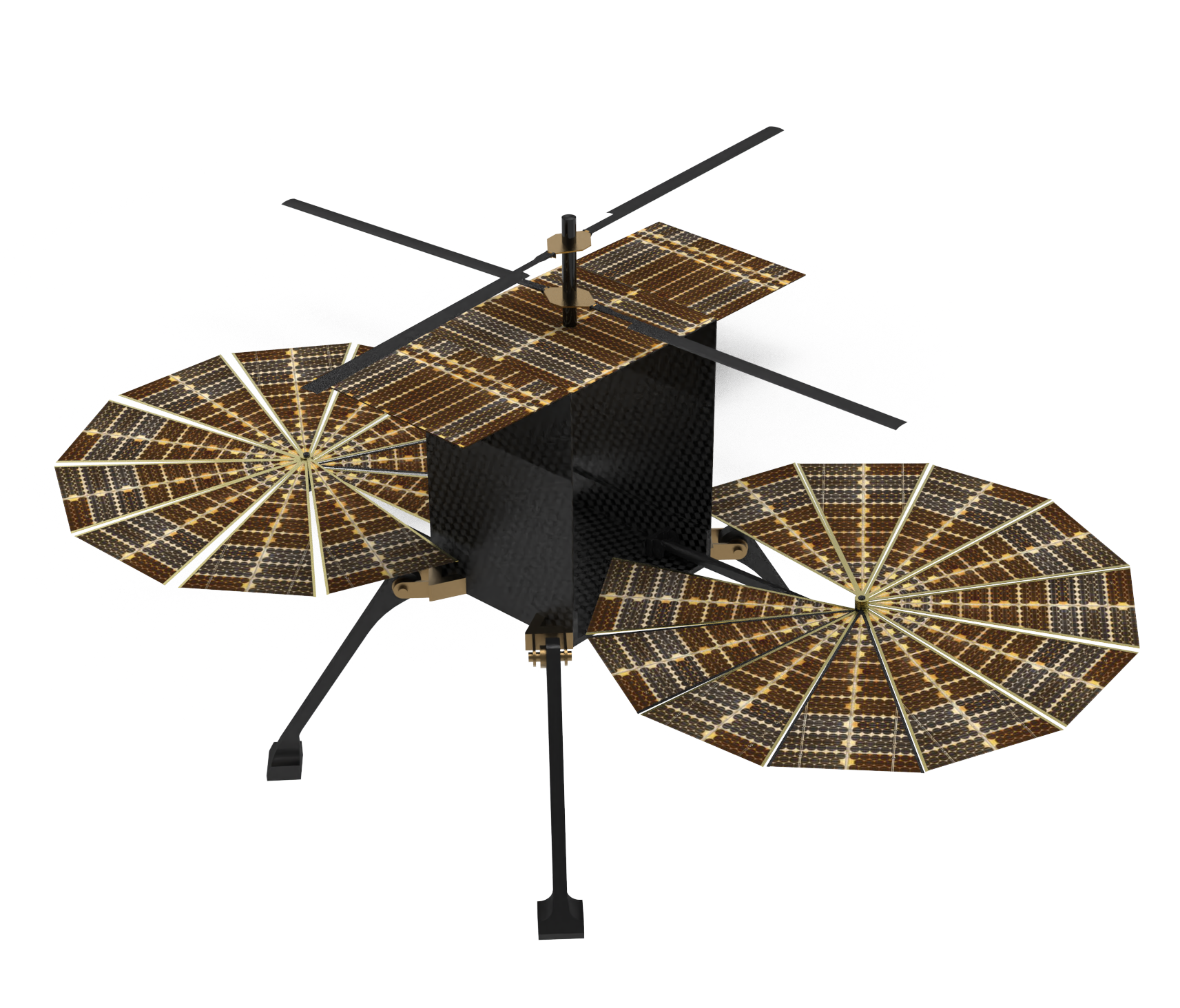
2nd place among 45 national teams. Conceptualised a solar-powered UAV for Martian atmospheric research. Won ₹1,25,000.
Airbus Launching Rocket Workshop
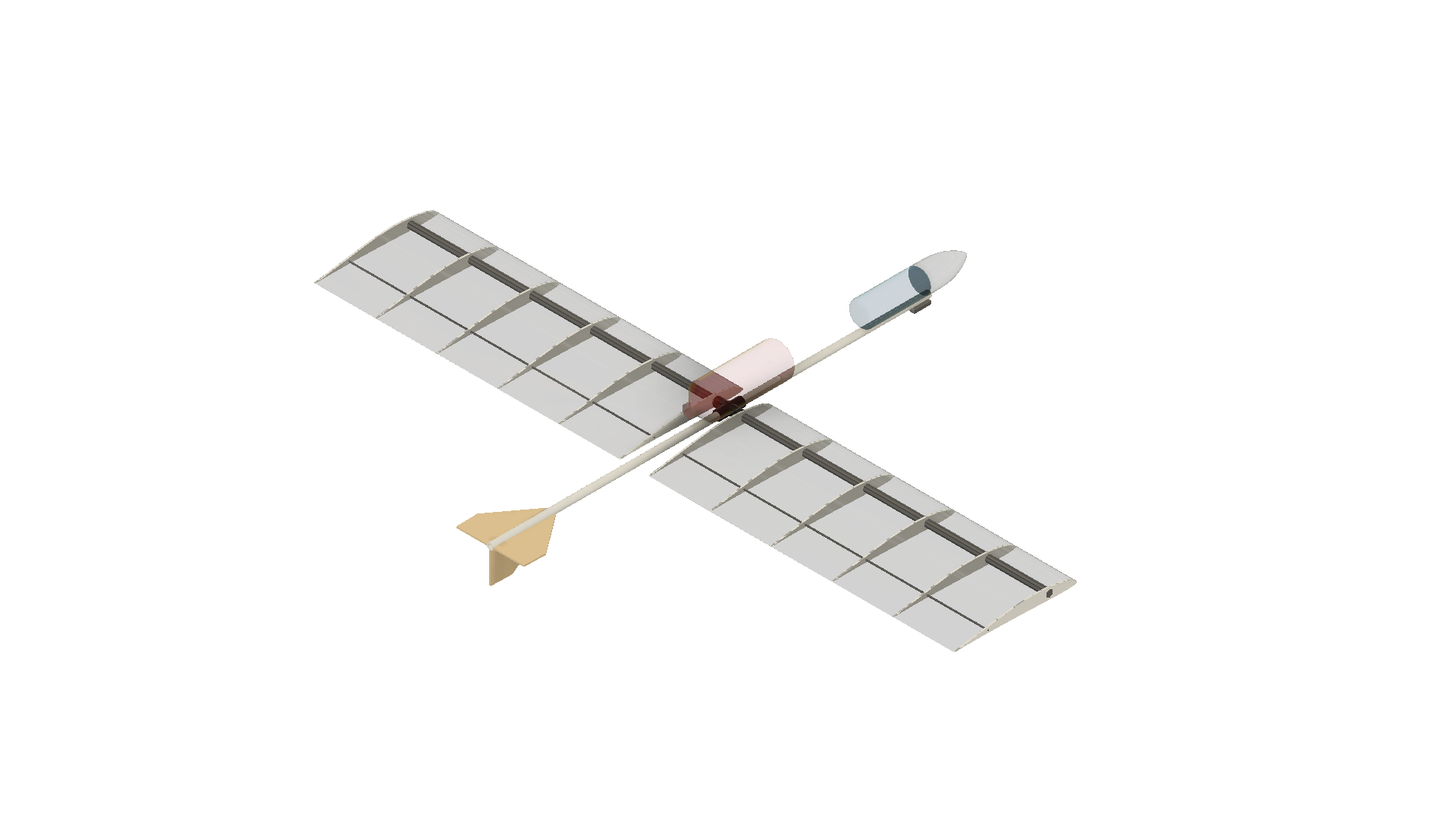
Designed and built a model rocket with CFD-optimised wing and fuselage geometry, from CAD to wind tunnel validation.
Venusian Aerothermal Simulations
High-fidelity aerothermal braking simulations for Venus atmospheric entry using SPARTA for rarefied gas dynamics. ISRO.
Project Altair
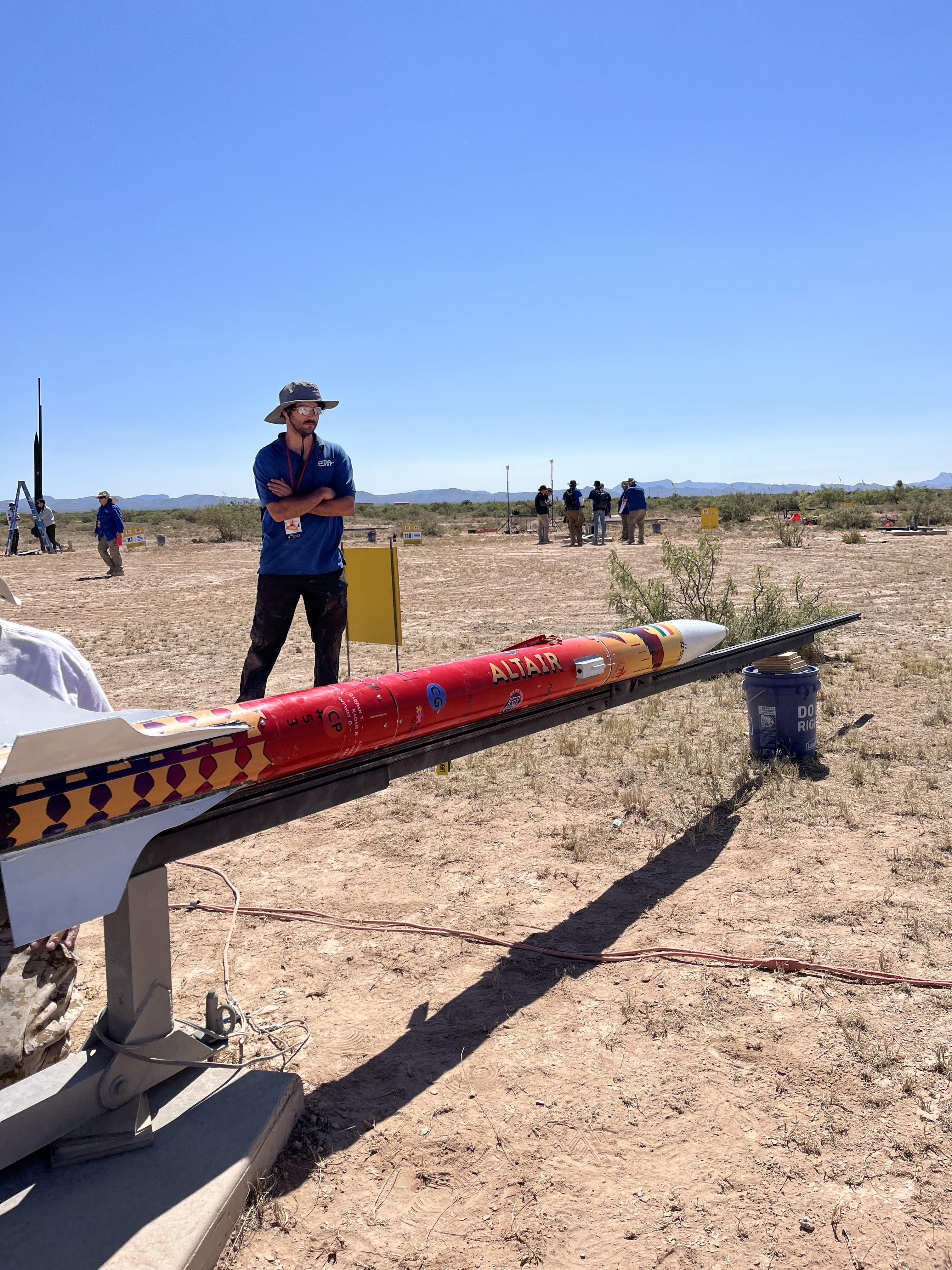
thrustMIT’s 10K COTS submission to Spaceport America Cup 2023. Featured leading-edge extended fins and crankshaft airbrakes to optimise flow separation. Achieved 10,331 ft apogee with a 0.51% error — our most accurate launch. 2.71 m tall, 150 mm dia, 30.20 kg wet mass, Cesaroni M3400-P motor.
Project Lil BT
Subscale rocket validating avionics and dual deployment systems. CFRP fin flutter analysis.
Predictive Thermal Control Strategies for Aerobraking: Peak Temperature Forecasting and Adaptive Maneuvers
28th National and 6th International ISHMT–ASTFE Heat and Mass Transfer Conference
Forecasting peak thermal loads during aerobraking and developing adaptive control strategies to ensure spacecraft survivability during atmospheric passes.
Sounding Rocket Device with Fin and Motor Alignment Attachment
Application No. 202441075844
Attachment mechanism for precise fin and motor alignment in high-performance sounding rockets, enabling repeatable structural integrity under supersonic loads.
My trajectory points toward the intersection of autonomous intelligence and space systems.
Where spacecraft don't just survive extreme environments — they adapt. I want to build the control architectures and thermal systems that make interplanetary missions not just possible, but reliable. Engineering isn't about reaching the frontier. It's about making the frontier routine.